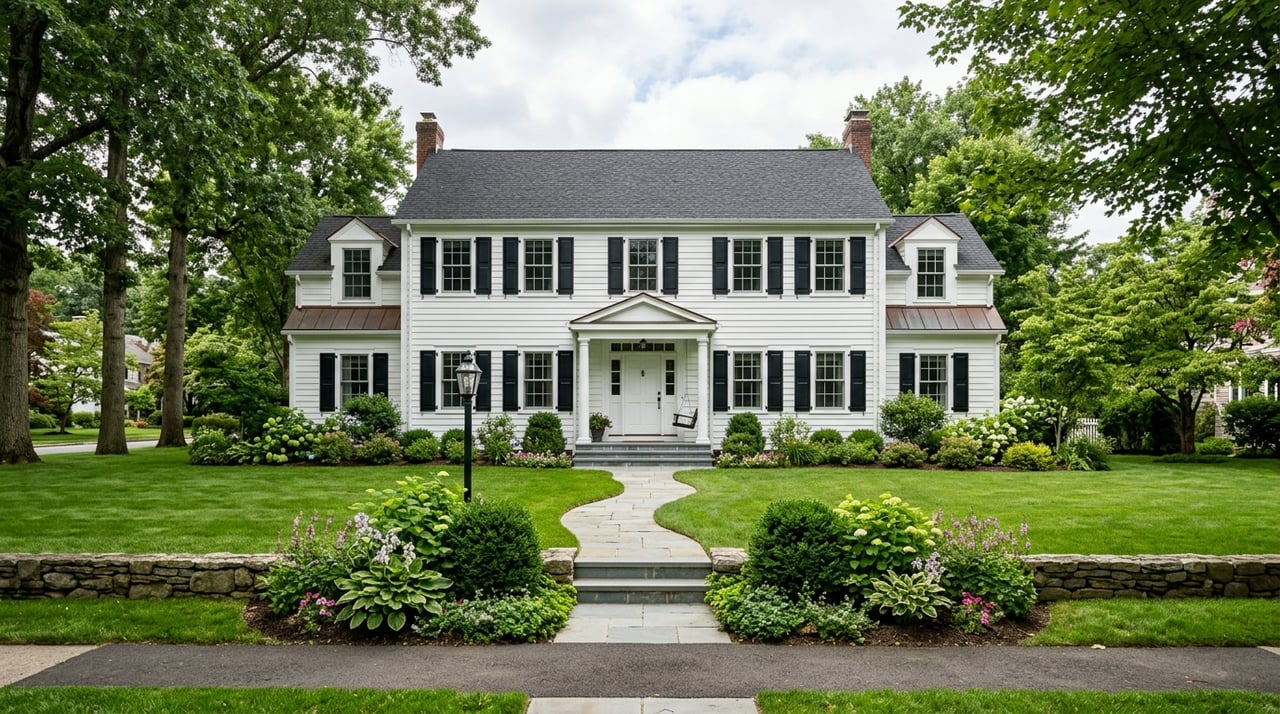
Wakefield Homebuyer Guide To Single-Family Living
July 9, 2026
July 9, 2026
If you want a single-family home north of Boston without jumping to the highest price points in the area, Wakefield deserves a close look. You may be balancing budget, commute, outdoor access, and the kind of house that actually fits your day-to-day life. This guide will help you understand what single-family living in Wakefield looks like today, what your budget may buy, and how to think about location, lot size, and home style before you make a move. Let’s dive in.
Wakefield sits about 10 miles north of Boston and offers a mix of suburban housing, commuter convenience, and access to Lake Quannapowitt. The town is located at the intersection of I-93 and I-95/128, and it also has commuter rail service through the Greenwood and Wakefield stations.
That combination matters if you want a practical daily setup. You can focus your search on homes that match your travel patterns, outdoor interests, and preferred lot size, rather than choosing based on price alone.
Wakefield is currently a competitive seller’s market. In May 2026, Realtor.com reported a median listing price of $794,500, a median sold price of $825,000, and a median of 16 days on market, with homes selling at about 102% of asking.
Redfin’s May 2026 data shows a similar picture, with a median sale price of $833,251 and a median 19 days on market. Wakefield’s own Housing Production Plan also noted that near the end of 2024, the median single-family home sold for $825,000, which suggests this pricing level has had staying power.
The practical takeaway: many buyers will find the core Wakefield single-family market in the high-$700,000s to low-$900,000s, with closed sales often landing in the low $800,000s.
If you are shopping in the $750,000 to $900,000 range, you are looking in the heart of Wakefield’s single-family market. This is often where you will find many of the town’s classic resale homes, especially properties with 3 to 4 bedrooms, 1.5 to 3.5 baths, and layouts that have been updated over time.
In the current inventory, the lower end of the market can start in the high-$500,000s or low-$600,000s for smaller or less-updated homes. The middle of the market generally runs from the mid-$700,000s into the low-$900,000s, while larger, newer, or especially well-located homes can move into the seven figures.
This range is important because it helps set expectations early. In Wakefield, price often reflects a combination of lot size, location, condition, and layout, not just bedroom count.
One of the biggest things to understand about Wakefield is that pricing is not uniform across town. Realtor.com neighborhood medians show West Side at $799,900, Greenwood at $799,000, Montrose at $779,950, Bear Hill at $849,000, and Horace Mann at $879,900.
That does not mean every home in those areas will fit neatly into those numbers. It does mean that when you compare homes, you should look carefully at the specific pocket of town, because location can shift value even before you consider updates or lot size.
Homes closer to Lake Quannapowitt or commuter rail access may command stronger pricing. The town highlights the 3.6-mile paved loop around the lake, along with activities like walking, running, sailing, kayaking, paddleboarding, and pedal boats.
Recent sales data also suggest that lake-adjacent or especially central locations can trade above the townwide median. In Lakeside, recent Redfin sales ranged from about $800,000 to $1,125,000, and Greenwood’s median sale price was reported at $893,699, compared with the townwide median sale price of $833,251.
For you as a buyer, this helps explain why two homes with similar square footage may have noticeably different asking prices. Proximity to the lake, commuter rail, and central amenities can play a real role.
Wakefield’s housing stock reflects a mature suburban pattern. The town’s open-space plan describes residential areas as mostly owner-occupied single-family dwellings on 0.25- to 0.5-acre lots.
At the same time, Wakefield is not one-size-fits-all. Depending on the neighborhood and zoning district, you may find compact streets near Wakefield Center and Greenwood or larger suburban lots in other parts of town.
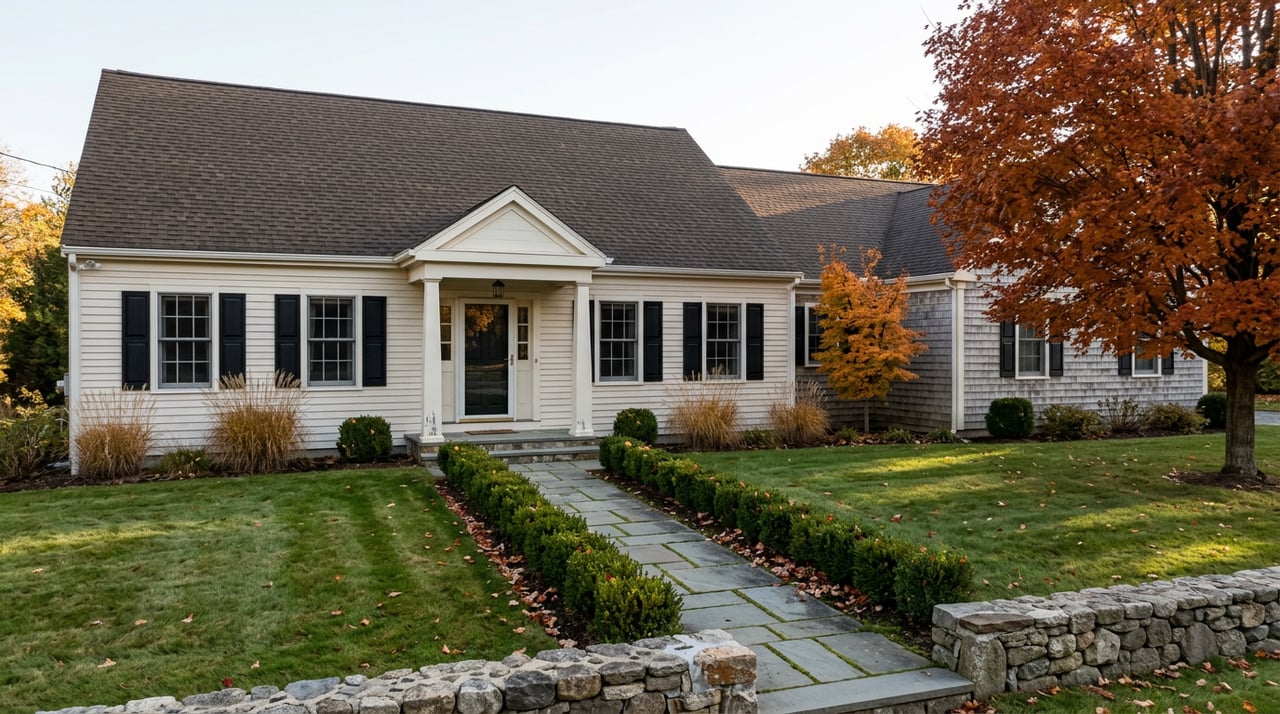
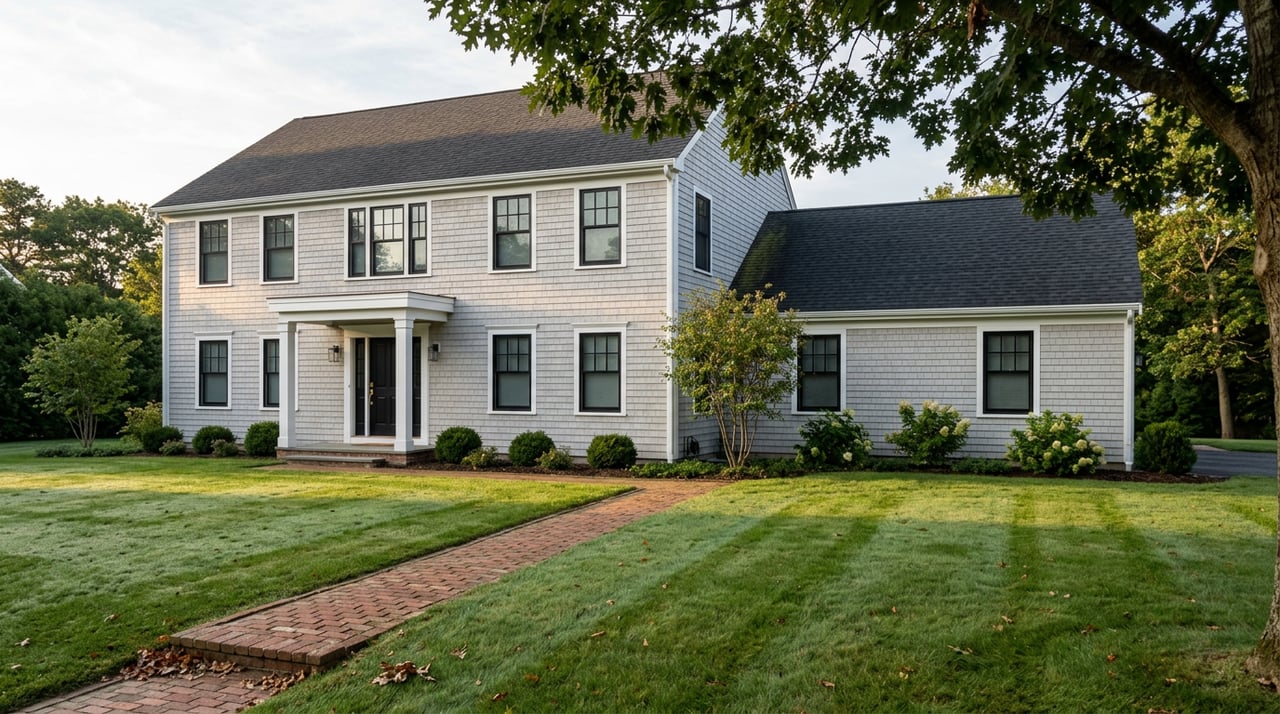
Current inventory shows a familiar set of home styles, including:
Many listings also feature finished lower levels, flexible first-floor layouts, and additions completed over time. That is common in an older suburban housing stock where many homes have been adapted to modern living.
In practical terms, many Wakefield single-family homes offer 3 to 4 bedrooms and a layout that mixes original room structure with later updates. You may see homes with formal living areas, expanded kitchens, family rooms, or lower-level bonus space.
That variety can be a plus if you are looking for flexibility. It also means two homes with similar square footage may live very differently once you walk through them.
Lot size is another area where Wakefield offers real variety. The town’s zoning framework helps explain why. The SR and SSR districts are intended for single-family homes with minimum lot sizes of 12,000 and 20,000 square feet, while the denser GR district near Wakefield Center and Greenwood allows single-family and two-family homes on 8,000-square-foot lots.
In live inventory, examples range from lots under 5,000 square feet to 7,200 or 9,239 square feet, plus larger parcels around 0.31, 0.53, or 0.65 acres, with occasional properties exceeding 30,000 square feet. So if outdoor space matters to you, it is worth looking past the town name and focusing on the specific parcel.
A Wakefield address does not guarantee one yard size or one neighborhood feel. Some homes sit on tighter lots with a more compact setup, while others offer more spread-out outdoor space.
If your priorities include gardening, entertaining outside, or simply more separation between homes, lot size should be near the top of your search criteria. In this market, that feature can materially affect both price and competition.
Yes, but it is not the norm. Wakefield does have some new-construction single-family homes on the market, with current examples including homes on Farm Street, Parker Road, and Lovis Avenue.
Still, resale housing remains the larger share of the market. For most buyers, that means the search will focus more on existing homes with varying levels of updates rather than a broad menu of brand-new options.
If you are deciding between several north-of-Boston suburbs, Wakefield often lands in the middle of the pricing spectrum. Current median listing prices show Stoneham at $709,450, Wakefield at $794,500, Melrose at $877,450, Reading at $897,000, and Lynnfield at $1,212,500.
That makes Wakefield worth considering if you want a balance of access and price. It is more expensive than some nearby options, but it can be less costly than higher-priced surrounding communities while still offering commuter rail service and lake access.
In a competitive market, your search works best when you define your tradeoffs early. Wakefield offers enough variety that the right plan can help you move faster and make better comparisons.
Start by narrowing your must-haves:
Then look at homes through that lens. A smaller updated home near the lake may compete with a larger home on a bigger lot farther from rail access, and both may appeal for very different reasons.
Wakefield offers a compelling mix of location, housing variety, and everyday livability. You can find classic resale homes, a range of lot sizes, access to commuter rail, and the draw of Lake Quannapowitt, all within a market that tends to sit between some lower- and higher-priced nearby towns.
The key is knowing what matters most to you before you start making offers. If you want guidance on comparing Wakefield homes, understanding local value differences, or planning your next move in the north-of-Boston market, connect with Vita Group.

Real estate is more than a transaction, it's a life moment. The Vita Group delivers expert guidance, tailored strategy, and real results, making your move seamless, strategic, and truly personalized. Let’s start your next chapter together.