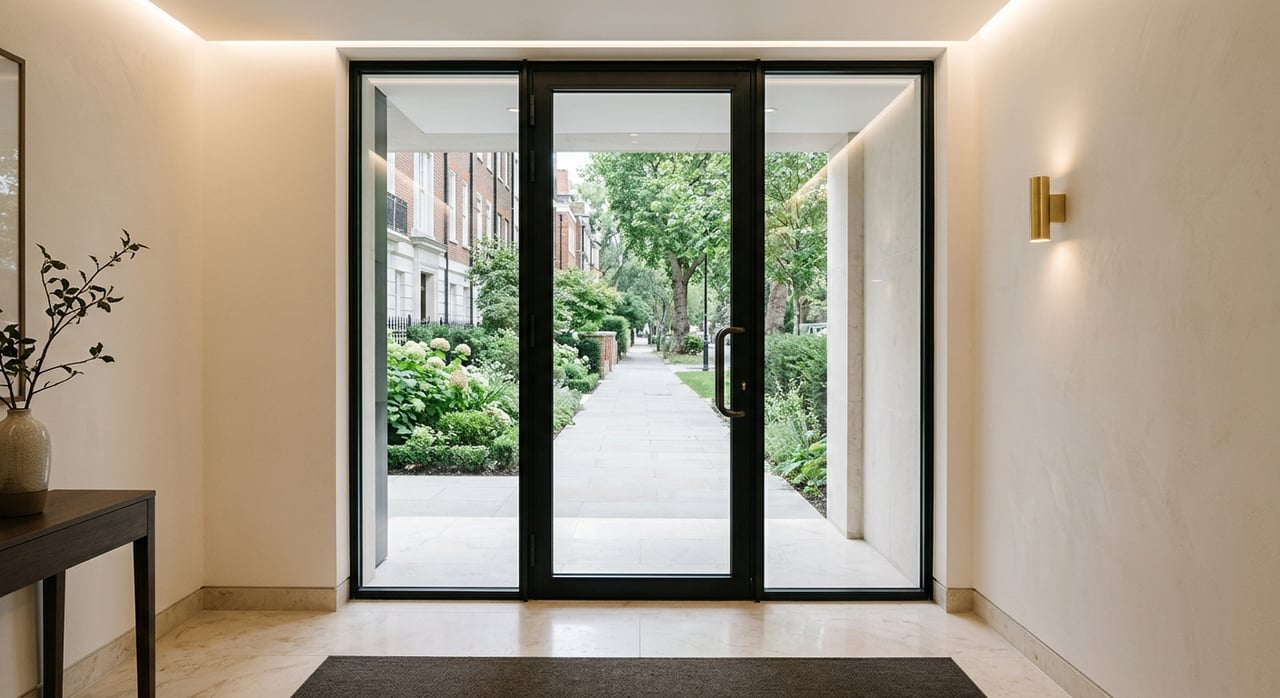
Car-Free Living And Condo Culture In Somerville
July 2, 2026
July 2, 2026
If you want a home where daily life feels easy without depending on a car, Somerville deserves a close look. For many buyers, the appeal is not just the condo itself. It is the ability to walk to coffee, catch the train, bike to errands, and keep most of life close to home. This guide breaks down how car-light living works in Somerville, what condo culture looks like here, and what to watch for as you search. Let’s dive in.
Somerville has built a city layout that supports getting around in different ways. The city reports that more than half of commuters walk, bike, or take public transit, and it highlights a Walk Score of 89 out of 100. It also notes more than 30 miles of bike infrastructure and an 18 percent transit commuting share.
Transit plays a major role in how people move through Somerville. According to the city, residents have access to 14 bus routes along with Red, Orange, and Green Line service. Pre-pandemic weekday boardings were roughly 12,000 at Davis Square and 4,000 at Assembly Square, which helps show how central transit is to daily life.
That said, the best way to think about Somerville is car-light, not always fully car-free. You may find it easy to handle commuting, errands, and social plans without driving every day. But whether you can comfortably give up a car altogether often depends on your exact building, routine, and distance to transit.
In Somerville, location can change how your week feels. Living near the transit spine often means shorter walks to rail, better bus connections, and simpler trips into nearby job centers and surrounding communities. That convenience can be a major reason buyers choose a condo here.
The city specifically points to areas around Davis Square, Union Square, Ball Square, Magoun Square, East Somerville, and the Community Path as strong spots for low-car living. These places combine rail access, bus access, and dense street connectivity. For buyers, that usually translates into more flexibility and less need to plan life around parking.
The Community Path also adds a practical layer to mobility. Somerville says the path is about 3.2 miles of off-street multi-use trail, and the GLX Community Path connects directly to Magoun Square, Gilman Square, East Somerville, and Lechmere stations. That kind of connection can make walking and biking feel like part of your normal routine instead of a special effort.
Somerville’s condo market reflects the city’s varied housing stock. Its planning materials describe housing here as ranging from apartment buildings to triple-deckers and from single-family homes to condominiums. For buyers, that means condo options can look and feel very different from one block to the next.
A big part of local condo culture comes from smaller multifamily buildings. In many cases, condos are found in converted triple-deckers, duplexes, and similar properties, alongside newer mixed-use and transit-oriented projects near station areas and busy squares. As a result, your choice may be between classic neighborhood character and a more recent amenity-driven building.
That mix gives Somerville a condo market with personality. Some homes offer a more residential scale with fewer units in the building. Others are tied more closely to a walkable district where retail, dining, and transit are part of the appeal.
Recent city planning around larger transit-served sites has focused on combining housing with everyday conveniences. The city describes plans that include ground-floor retail, food and beverage options, grocery, personal services, and public green space. For condo buyers, that supports a lifestyle where more of your weekly needs are handled close to home.
This pattern helps explain why some parts of Somerville feel especially friendly to car-light households. If you can walk downstairs for a quick errand, meet friends nearby, and hop on transit without a long transfer, your home functions differently. In practical terms, location can be just as important as square footage.
Somerville also notes that new developments are often expected to support lower-car habits with features such as transit passes, market-rate parking pricing, unbundled parking, bikeshare passes, transit screens, EV parking, and bus-stop improvements. These details may not matter to every buyer, but they can make a noticeable difference if you want flexibility without full-time car ownership.
Parking deserves careful attention before you buy. Somerville is the most densely populated city in New England, and the city says parking is consistently a premium issue rather than a default amenity. That reality shapes both condo design and day-to-day ownership.
The city’s 2019 zoning overhaul repealed minimum parking requirements for most of Somerville and set parking maximums near rapid-transit stations. In simple terms, newer housing may provide less parking than buyers expect in more car-oriented communities. That can be a benefit if you want lower car dependence, but it can be a drawback if you plan to keep one or more vehicles.
There is another point many buyers miss. The Parking Department says new housing within one-half mile of Red, Orange, or Green Line service is not eligible for on-street resident parking permits, except for limited exemptions. If a parking permit matters to you, this is one of the first questions to clarify before making an offer.
Owning a car in Somerville is possible, but you should expect some friction. The city requires a resident parking permit if you have a car, and new residents can get a free 30-day temporary permit while updating registration. Street sweeping and snow emergencies are also part of regular city living.
That does not mean a car is a bad idea. It simply means you should think ahead about how often you will use it, where you will park it, and whether the building includes dedicated parking. For some buyers, occasional driving plus strong transit access is the ideal balance.
If you are deciding between a condo with parking and one without, the right choice often comes down to your real routine. A buyer who commutes by train and clusters errands locally may value a better location over a dedicated space. A buyer who leaves the city often or drives for work may reach the opposite conclusion.
One of Somerville’s strengths is how daily life centers around its squares. The city says Somerville has more than 20 squares, each with its own mix of housing and businesses. It specifically highlights Davis Square, Ball and Magoun Squares, Union Square’s Bow Market, and Assembly Row as distinct destinations.
This layout supports a more local rhythm. Dinner plans, quick shopping, transit access, and social stops can often happen within the same area instead of requiring longer drives between separate destinations. The city even describes Assembly Row as a live, work, play destination, which captures the broader appeal of this style of living.
For many condo buyers, that is a major value point. You are not just buying interior space. You are also buying into a pattern of daily convenience that can make the week feel smoother and more connected.
Bluebikes is another piece of the puzzle. Somerville says bikeshare is useful for getting to and from transit, one-way trips, and everyday use, and riders do not need to store a bike at home. That can be especially helpful in condos where storage is limited.
Walking and biking conditions also matter to buyers who want to rely less on a car. In 2024, Somerville reinforced its street-safety agenda through a Safe Streets ordinance that reaffirmed Complete Streets and Vision Zero goals. While every buyer will experience streets differently, the city’s direction clearly supports calmer and safer movement for people outside of cars.
If you are comparing neighborhoods, look beyond distance alone. The quality of the walk, access to the path network, nearby bike share, and ease of reaching transit can all shape how often you choose not to drive.
When you tour condos in Somerville, it helps to look past finishes and staging and focus on how the property supports your routine. A beautiful unit may still feel inconvenient if the location or parking setup does not match how you live. In this market, lifestyle fit matters.
A smart evaluation checklist includes:
You should also think about how flexible the home will feel over time. A condo that works well for your current commute, weekend habits, and day-to-day errands can offer lasting value even if your routine changes a bit later.
Somerville stands out because it offers a mix that can be hard to find elsewhere. You get urban convenience, varied condo options, and strong transit access in a city organized around active neighborhood centers. For buyers who value efficiency and connection, that combination is compelling.
At the same time, this is a market where practical details matter. Parking rules, permit eligibility, transit distance, and building type can all affect your experience more than they would in a more car-dependent suburb. Buyers who understand those details early usually make more confident decisions.
If you are exploring condos in Somerville, the goal is not to find a one-size-fits-all answer about car-free living. It is to find the right balance of mobility, convenience, and home style for your life. If you want expert guidance as you compare neighborhoods, building types, and lifestyle tradeoffs, connect with Vita Group for tailored support.




Real estate is more than a transaction, it's a life moment. The Vita Group delivers expert guidance, tailored strategy, and real results, making your move seamless, strategic, and truly personalized. Let’s start your next chapter together.