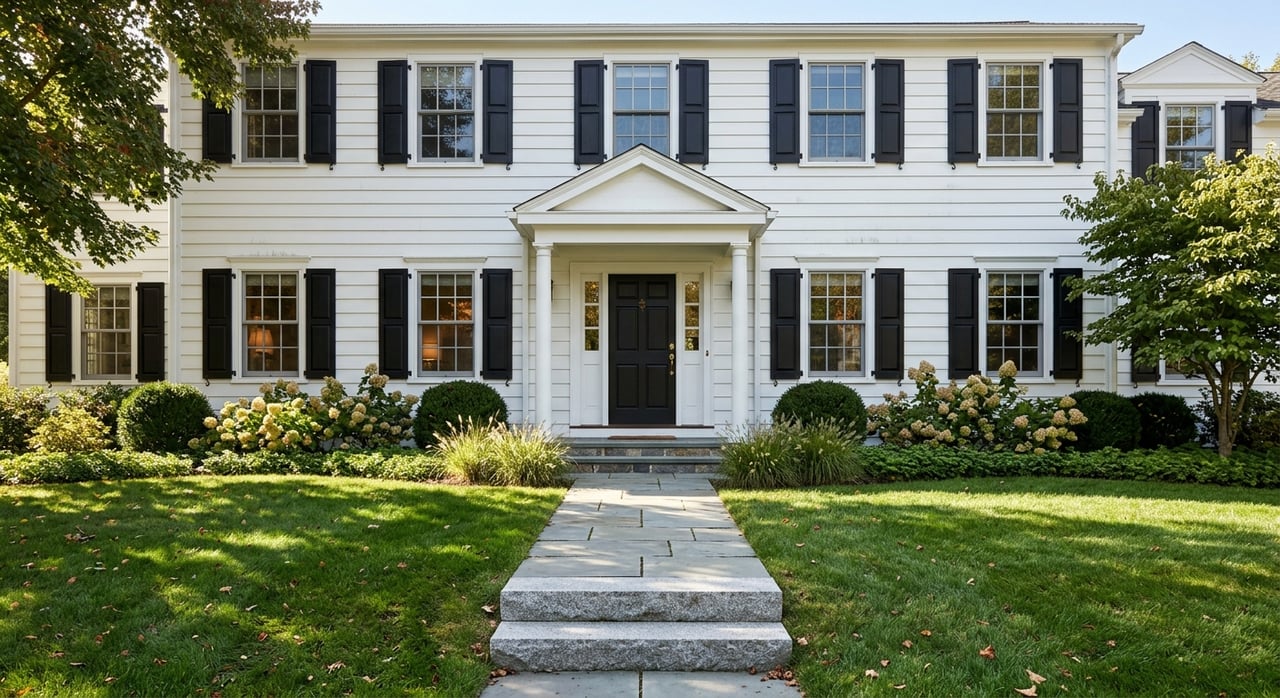
Downsizing In Winchester: Selling And Staying Local
June 11, 2026
June 11, 2026
Thinking about leaving the big house behind without leaving Winchester behind? You are not alone. Many longtime owners reach a point where the space, upkeep, and carrying costs no longer match the way they live today. If you want a simpler next chapter while staying close to the people, routines, and places you know, this guide will help you plan the move with more clarity and less stress. Let’s dive in.
Winchester is a high-value market, and that changes the downsizing conversation. As of spring 2026, Zillow reported a typical home value of $1,575,917, while Redfin reported a March 2026 median sale price of $1,375,000. The numbers are not directly comparable, but both point to a market where strong homes can attract attention quickly.
Speed matters here too. Zillow reported a median of 8 days to pending, and Redfin reported a 27-day median time on market with about four offers on average. That means your sale may move faster than your purchase, especially if you are trying to stay local.
Winchester also has a housing mix that can make downsizing tricky. The town has said much of its housing stock is made up of very large homes that may not fit smaller households or people looking to right-size. State housing data adds more context: most units are single-family homes, and much of the housing stock was built before 1960, with only a small share built in 2000 or later.
Downsizing is rarely just about square footage. Often, it is about keeping your routines, your support system, and your connection to the community while moving into a home that fits your life now.
National housing trend data shows older sellers often buy smaller homes than the ones they sell. The same data also shows that moving closer to friends or family is a common reason for making a move. In Winchester, that can mean selling a larger older home and looking for something more manageable nearby rather than making a major relocation.
For many sellers, the goal is simple: reduce maintenance, improve daily convenience, and hold onto the location that still feels like home. That is why a local sale-and-purchase strategy matters so much.
Before you decide where to go next, it helps to understand what your current home is costing you to keep. In Winchester, the FY2026 residential tax rate is $11.08 per $1,000 of assessed value. On a home assessed near Zillow’s typical value, that works out to roughly $17,461 per year before any exemptions.
That does not include utilities, maintenance, repairs, landscaping, snow removal, or the cost of caring for rooms you may not use much anymore. For many homeowners, those ongoing costs become a major reason to right-size.
If you plan to remain in Winchester, local programs may also be worth reviewing. Eligible seniors can explore the town’s elderly exemption, tax deferral program, work program, and state circuit breaker guidance. Winchester’s Council on Aging also provides services and transportation within Winchester and contiguous towns.
The best pre-listing plan is not always the biggest one. If you are downsizing, the goal is usually to make your current home easier to sell without creating more work, time, and disruption than necessary.
A smart strategy starts by asking which updates will help buyers understand the home quickly. In Winchester, where many homes are older and larger, presentation often matters as much as the work itself. Buyers need to see how rooms function and how the home fits modern living.
You do not need to renovate every room to get ready for market. Start with the items that affect condition, first impressions, and buyer confidence. That often means addressing deferred maintenance, reducing visual clutter, and making sure the home feels cared for.
Larger Winchester homes especially benefit from a simple, purposeful layout. Rooms should feel easy to read, not crowded or overly personal. That makes it easier for buyers to picture how they would use the space.
According to NAR’s 2025 staging report, 83% of buyers’ agents said staging made it easier for buyers to visualize a home as a future home, and 49% of sellers’ agents said staging reduced time on market. Photos, traditional staging, videos, and virtual tours were also rated highly important.
For a larger home, staging works best when it answers basic buyer questions. Is this room a guest room, an office, a den, or a playroom? Clear answers help buyers move from curiosity to confidence.
Before any major pre-list work, check Winchester’s permit requirements. The town says a building permit is required before construction, alteration, demolition, or sign installation, and the Building Department reviews plans and inspects work.
If your home was built before 1978, lead rules matter too. Federal lead-disclosure rules apply before a buyer signs a contract, and renovation work that disturbs painted surfaces should follow lead-safe practices. For many sellers, this is a good reason to avoid unnecessary last-minute projects.
In a market like Winchester, broad averages are useful background, but they should not set your list price. What matters most is how your home compares with recent nearby sales in size, condition, location, and features.
NAR’s pricing guidance recommends weighing size, location, amenities, condition, and comparable sales, then adjusting for current market conditions. If your goal is a timely sale that lines up with a purchase, a more competitive price may make sense.
That is especially important when you are trying to reduce disruption. A strong pricing strategy can create momentum, improve showing activity, and help you move from listing to offer with a clearer timeline.
This is where many downsizing moves succeed or stall. Selling the current home is only half the job. The other half is making sure your next home is ready at the right time, in the right place, and at a price that works for you.
As of June 4, 2026, Freddie Mac reported a 30-year fixed mortgage rate of 6.48%. In a rate environment like this, affordability can shift quickly, which makes timing and coordination even more important.
Contract structure can help bridge the gap between your sale and your purchase. NAR’s consumer guidance highlights a few tools that often matter in downsizing situations:
These options can create breathing room when your next home is not fully lined up yet. The right choice depends on your timing, your comfort level, and how competitive the homes are on both sides of the move.
If you want to stay close to Winchester but open up your choices, nearby towns offer a useful range of price points for smaller homes. That can help you decide whether staying in town is the right fit or whether a nearby move gives you more flexibility.
Here is a simple snapshot from recent market reports:
| Nearby market | Recent price indicator |
|---|---|
| Woburn | $750,000 median sale price |
| Stoneham | $818,108 typical home value |
| Medford | $857,500 median sale price |
| Melrose | $883,000 median sale price |
| Arlington | $1.15 million median sale price |
| Lexington | $1,609,525 typical home value |
These figures are not direct apples-to-apples comparisons because they come from different sources and methodologies. Still, they show a meaningful spread. Some nearby markets may offer a smaller home at a lower price point, while others still carry a premium even if the home size is reduced.
A smoother move usually starts with sequencing. Instead of making decisions one at a time, it helps to build a plan that connects your sale, your move timeline, and your next purchase.
A practical order often looks like this:
This kind of planning is especially helpful in Winchester, where well-prepared listings can still move quickly and downsizing inventory may be more limited.
Downsizing in Winchester is not just about selling a house. It is about managing a transition with as little friction as possible. That takes market knowledge, clear pricing, strong presentation, and a realistic timeline for what comes next.
For many homeowners, the best outcome is not simply a high sale price. It is a sale that supports the next move, preserves flexibility, and helps you stay local on your terms.
If you are starting to think through your options, a local strategy can make the path much clearer. To request a complimentary home valuation and talk through a right-sizing plan, connect with Vita Group.


Real estate is more than a transaction, it's a life moment. The Vita Group delivers expert guidance, tailored strategy, and real results, making your move seamless, strategic, and truly personalized. Let’s start your next chapter together.