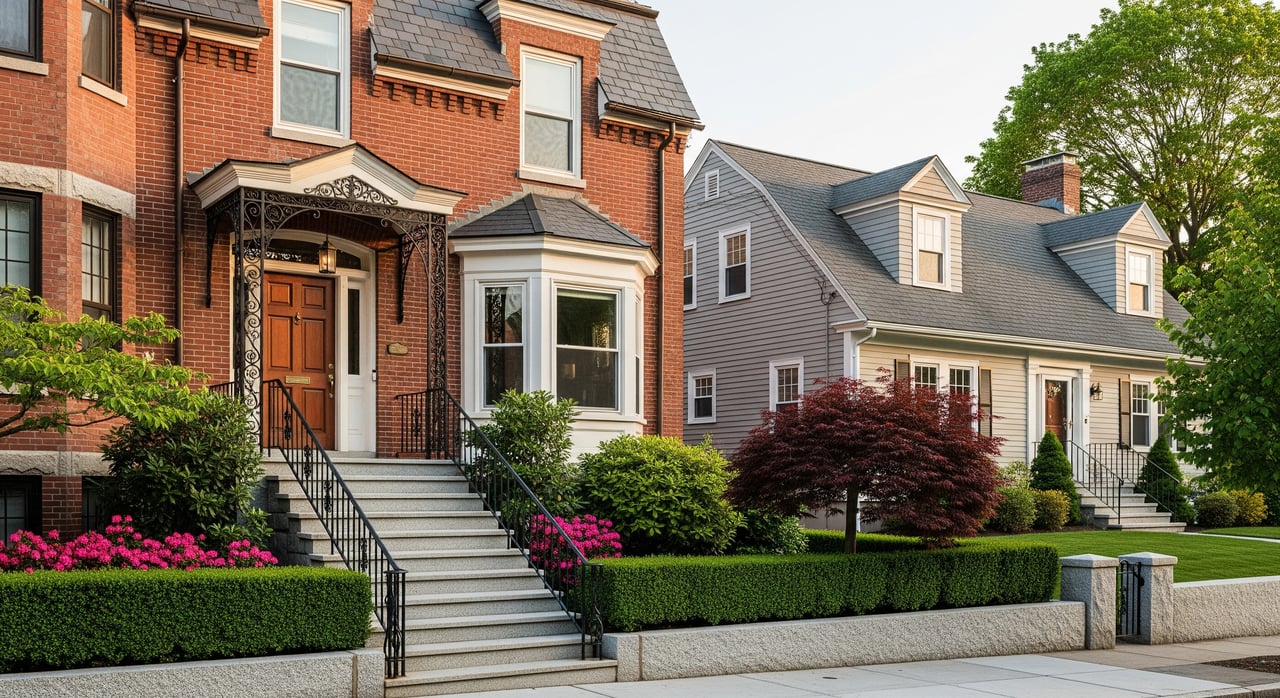
Melrose Townhouse vs Single Family: How to Decide
January 15, 2026
January 15, 2026
Stuck between a townhouse and a single-family home in Melrose? You’re not alone. You want the right space, a manageable commute, and predictable costs, without surprises after closing. In this guide, you’ll learn how both options compare on price, maintenance, lifestyle, financing, and resale so you can choose with clarity. Let’s dive in.
Melrose is a mature Boston suburb with classic single-family Victorians and Colonials, small multi-family homes, and pockets of condo and townhouse developments. Many buildings are older wood-frame properties that need ongoing upkeep.
Inventory for single-family homes is often tight in desirable suburbs. You may find more options at lower price points among condos and townhouses, especially near transit. Homes within walking distance of the commuter rail or bus routes tend to draw more demand and sell at a premium.
You can plan around broad price bands seen in recent Greater Boston suburban trends. Entry-level condos and townhouses often start in the mid-$300ks and can reach the low $600k range. Updated 2–3 bedroom townhomes and condos with good commute access often fall in the high $400ks to high $700k range. For single-family homes, smaller or older properties can range from the high $500k level up to roughly $900k, while larger or renovated homes near downtown or commuter rail often start around $900k and rise to $1.5M or more in strong markets. For context, Cambridge and Newton typically run significantly higher, while Framingham tends to be more affordable but farther from Boston.
Most condo and townhouse communities in Middlesex County charge monthly HOA or condo fees, commonly in the $200 to $700-plus range depending on what’s included. These fees typically cover exterior maintenance, landscaping, snow removal, a master insurance policy, reserves, trash, and sometimes water or sewer. Communities with more amenities trend higher.
Ask for the budget, reserve study, and recent meeting minutes. If reserves are low or big projects are coming, owners can face special assessments. Lenders also review a project’s financials and owner-occupancy levels for loan approval.
With a detached home, you’re responsible for the roof, siding, yard, driveway, and structural systems. A common rule of thumb is to budget 1 to 3 percent of the home’s value per year for maintenance, or $1 to $3 per square foot annually. Older Melrose homes often land toward the higher end of that range. If you hire out lawn care and snow removal, plan for roughly $1,000 to $4,000 or more per year depending on lot size and service level.
Property taxes in Melrose are based on the city’s residential tax rate and your assessed value. Condo units often have lower assessed values than comparable single-family homes, but the actual tax bill depends on the specific assessment.
Insurance for a single-family home (HO-3) typically costs more than condo unit-owner coverage (HO-6), since you’re insuring the entire structure. Condo associations carry a master policy. Confirm what the master policy covers and what you must insure inside your unit, including any loss assessment coverage your lender requires.
Detached homes usually have higher heating and cooling costs, plus exterior lighting and yard-related expenses. Efficiency matters. Newer windows, insulation, and modern HVAC can outweigh property type. In some condo communities, shared utilities or water/sewer may be included in the monthly fee, which can make monthly costs more predictable.
If you want a private yard for pets, gardening, or play, a single-family home usually delivers. Townhouses and condos may offer a small yard, balcony, or shared outdoor space. That can be perfect if you prefer a lower-maintenance lifestyle and less weekend yard work.
Single-family homes typically offer more privacy and no shared walls. That said, older suburban lots can be close together. Townhouses share walls, so construction quality and insulation matter. Ask about party-wall design and any known noise transfer.
Single-family homes often include driveways, garages, and useful storage in basements or attics. Townhouses vary. Some offer deeded garages or assigned spots while others rely on street or visitor parking. Confirm whether your space is deeded or assigned and how guest parking works.
Many newer condos and townhouses are designed with elevators or single-level living in mind. Older single-family homes may have stairs and limited first-floor bedroom options unless you renovate. If accessibility is a priority, focus your search on units with step-free entries and elevator access.
Condos and townhouses can appeal to first-time buyers and downsizers, which supports a broad future buyer pool. However, restrictive HOA rules or high fees can limit demand. Single-family homes often command a premium for land and privacy. The trade-off is that buyers must be comfortable with ongoing maintenance.
Conventional loans finance both single-family and condo/townhouse purchases. For condos, lenders also review the project’s budget, reserves, owner-occupancy ratio, and any litigation. If you plan to use FHA or VA financing, confirm whether the condo project is approved. Monthly HOA dues count toward your debt-to-income ratio, which can change your qualifying loan amount.
For a condo or townhouse, review the budget, reserve study, recent financials, bylaws and declarations, board meeting minutes, insurance certificates, pet and rental policies, capital plans, and any special assessment history. Ask for a resale certificate or similar summary. Consider hiring a Massachusetts attorney with condo experience to interpret the documents.
With older single-family homes, verify any rights-of-way, driveway easements, and the property’s permit history. An assessment of past renovations and potential code items helps you budget for upgrades.
Closing costs are structurally similar across property types. Condos can include added documentation fees or initial reserve contributions depending on the association. Title insurance and recording fees are tied to the purchase price, not the property type.
Explore programs from MassHousing and other state or regional resources for mortgage options or down payment assistance. Local groups also offer buyer education classes that can help you prepare for ownership and financing requirements.
If you want lower maintenance and a predictable schedule, a townhouse or condo near the commuter rail can be a smart fit. Confirm the HOA’s financial health and ensure dues align with your lender’s debt-to-income calculations. If you drive, prioritize units with deeded or reserved parking.
If outdoor space and storage rank high for you, a single-family home is likely worth the extra maintenance. Focus on smaller homes with updated mechanicals, newer roofs and windows, and stable foundations to limit near-term capital expenses.
Condos and townhouses can reduce day-to-day maintenance while providing secure entry, possible elevator access, and social common areas. Review the association’s rules for guests and pets, and confirm available storage for seasonal items.
Single-family homes on larger lots often appreciate based on land value and flexibility for improvements. A well-managed condo in a transit-rich location can also perform well, especially in markets with strong buyer and rental demand.
Financial and monthly costs
Condition and maintenance
Physical and lifestyle
Legal and governance (for condos/townhouses)
Financing and timeline
Choosing the right property type in Melrose comes down to your daily routine, budget comfort, and maintenance appetite. You deserve clear numbers, practical guidance, and a smooth process from offer to closing. Our team combines North-of-Boston market knowledge with a calm, data-informed approach so you can buy with confidence.
We help you compare true monthly costs, evaluate HOA financials, and understand maintenance needs typical of older homes. We also coordinate a focused search near the transit options you prefer and ensure your financing plan accounts for HOA dues or anticipated upkeep. If you’re weighing Melrose against nearby markets, we can show you how pricing and commute trade-offs shift in Cambridge, Newton, and Framingham.
Ready to see how a specific townhouse stacks up against a single-family on your short list? Connect with the Vita Group for straightforward guidance and next steps.
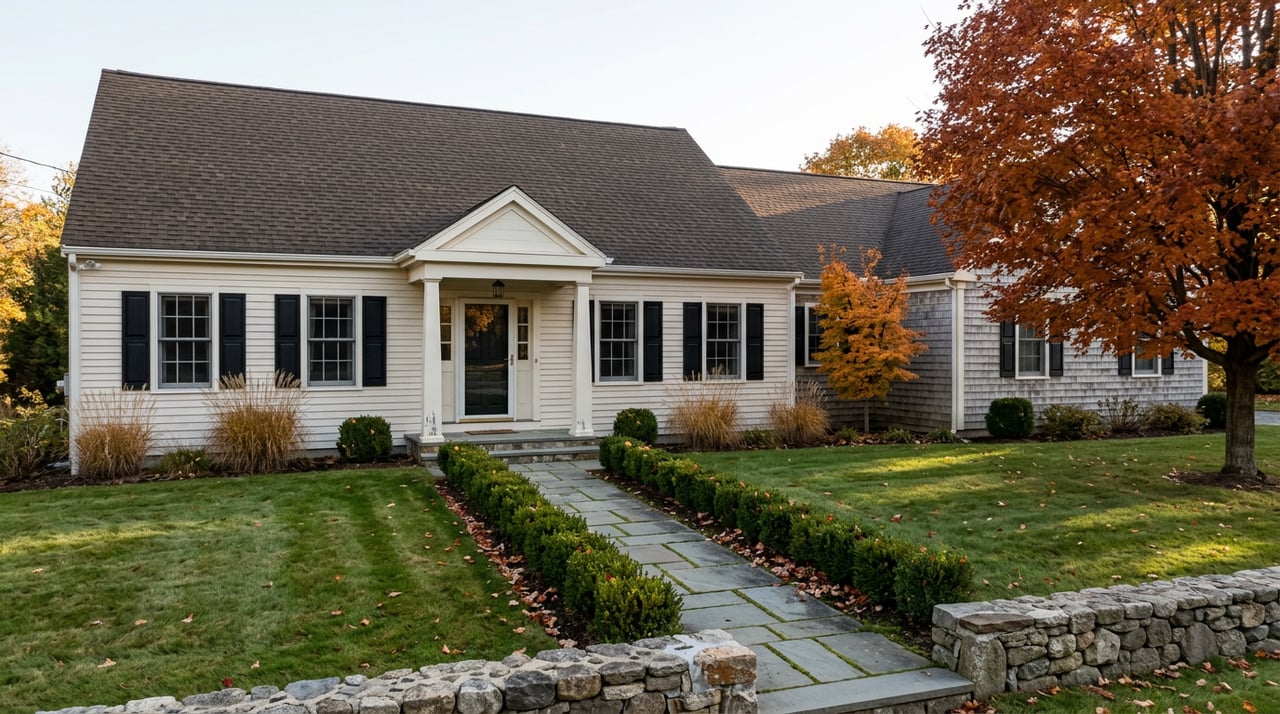


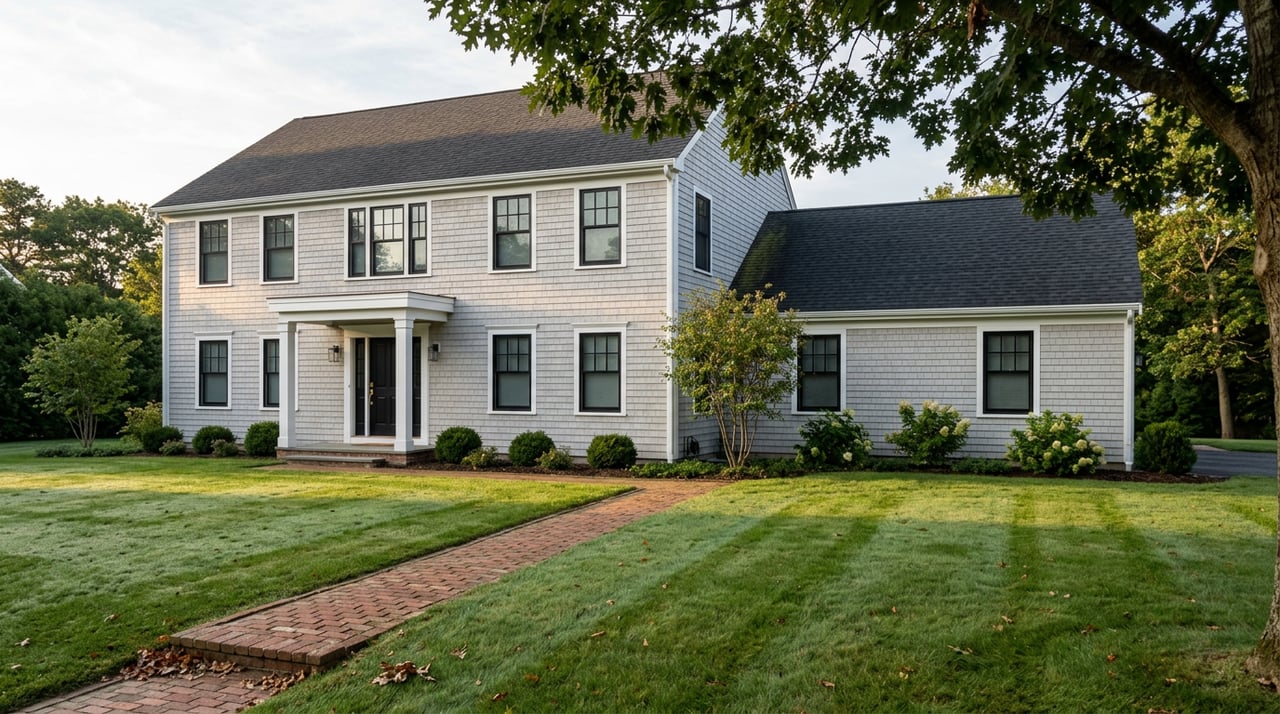
Real estate is more than a transaction, it's a life moment. The Vita Group delivers expert guidance, tailored strategy, and real results, making your move seamless, strategic, and truly personalized. Let’s start your next chapter together.