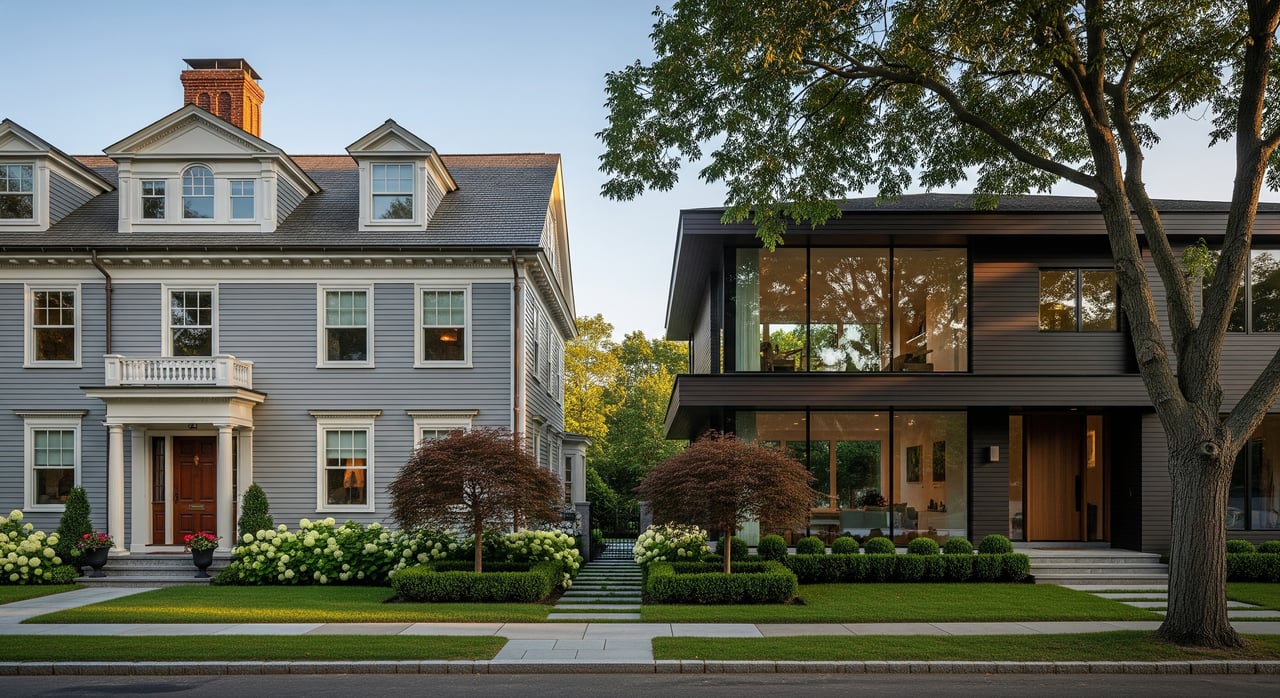
Torn between the charm of a classic Andover Colonial and the ease of a brand‑new build? You’re not alone. Many buyers love Andover’s tree‑lined streets and character homes, yet want modern systems, efficient layouts, and predictable costs. In this guide, you’ll compare the real tradeoffs so you can pick the right fit for your lifestyle, budget, and timeline. Let’s dive in.
Maintenance and long‑term costs
Older Andover neighborhoods near Andover Center, the Shawsheen River, and Phillips Academy offer 18th to early 20th century Colonial, Federal, and Victorian homes. These properties often include original features and systems that need attention. Newer subdivisions at the town’s edges deliver modern mechanicals and shorter near‑term maintenance lists.
Historic Colonials: what to expect
- Age‑related items like older roofs, stone foundations, original plumbing or wiring, and plaster walls
- Potential lead paint in pre‑1978 homes and older windows with draft concerns
- Deferred maintenance if not recently renovated
New construction: what to expect
- High‑efficiency HVAC, modern electrical panels, newer roofs and windows
- Lower short‑term maintenance with builder warranties that typically cover workmanship for 1 to 2 years and structural items longer
Budgeting and inspections matter. A common starting point is to plan for about 1 to 4 percent of home value per year for maintenance. Historic homes may exceed that during upgrade years. For older homes, schedule thorough inspections for structure, roof, plumbing, electrical, HVAC, insulation, moisture, and potential hazards like lead paint or asbestos. If a home is pre‑1978 and you plan to disturb painted surfaces, EPA Renovation, Repair and Painting rules apply, so use certified contractors.
Energy performance and comfort
New construction in Andover is typically built to current energy codes, with insulated walls and ceilings, tight air sealing, and efficient systems like heat pumps. Historic homes can be upgraded, but the process varies.
Historic upgrades that work
- Air sealing plus attic and basement insulation to cut drafts and heat loss
- Interior or storm window strategies that respect historic character
- High‑efficiency heating with air‑source or ductless heat pumps
- Smart controls for steady comfort and lower bills
Incentives and programs
- Massachusetts offers energy assessments and rebates through MassSave
- Federal and state incentives may support heat pumps, insulation, and electrification
If you value immediate operating efficiency with minimal work, new construction typically wins. If you love historic character and are open to phased upgrades, you can narrow the gap over time.
Layout and livability
Classic Andover Colonials often have compartmentalized rooms, formal dining, smaller bedrooms, and limited closet space. Many have been renovated, but the original framework can shape what is practical.
Historic Colonials
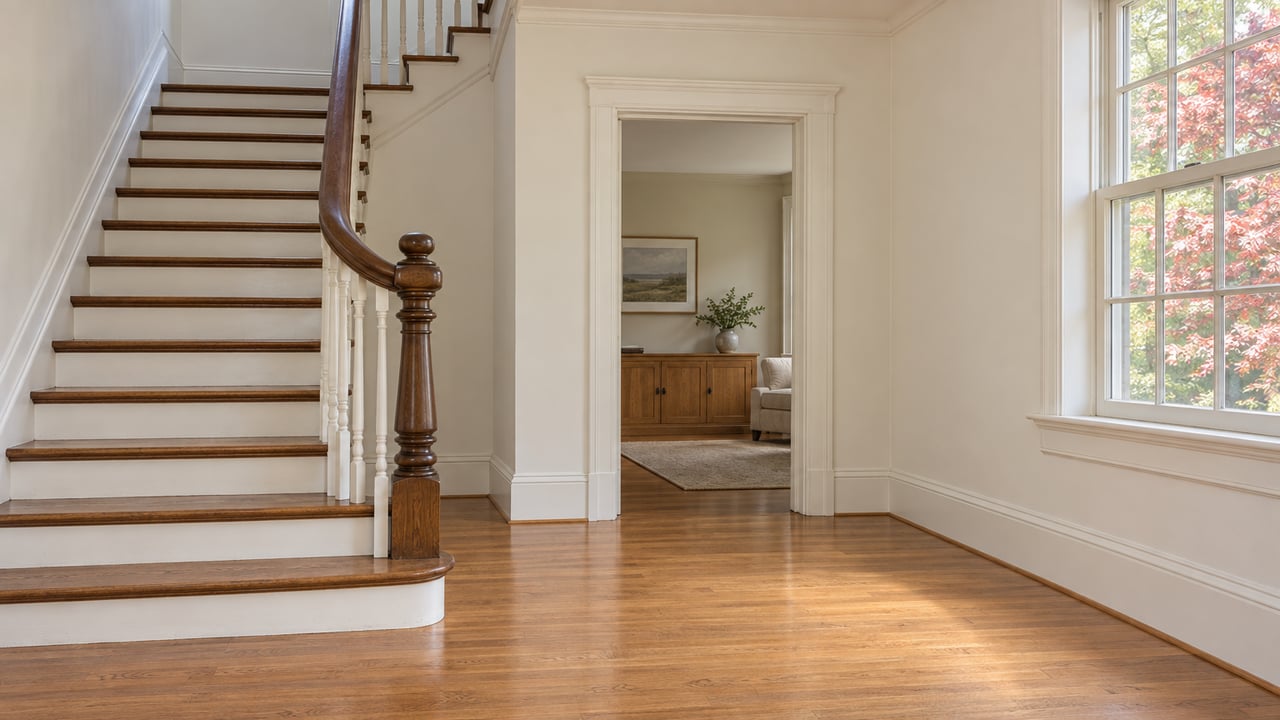
- Defined rooms and charming details like wide‑plank floors and built‑ins
- Kitchens and baths may need modernization to match today’s standards
- Opening floor plans can require structural engineering and careful planning
New construction
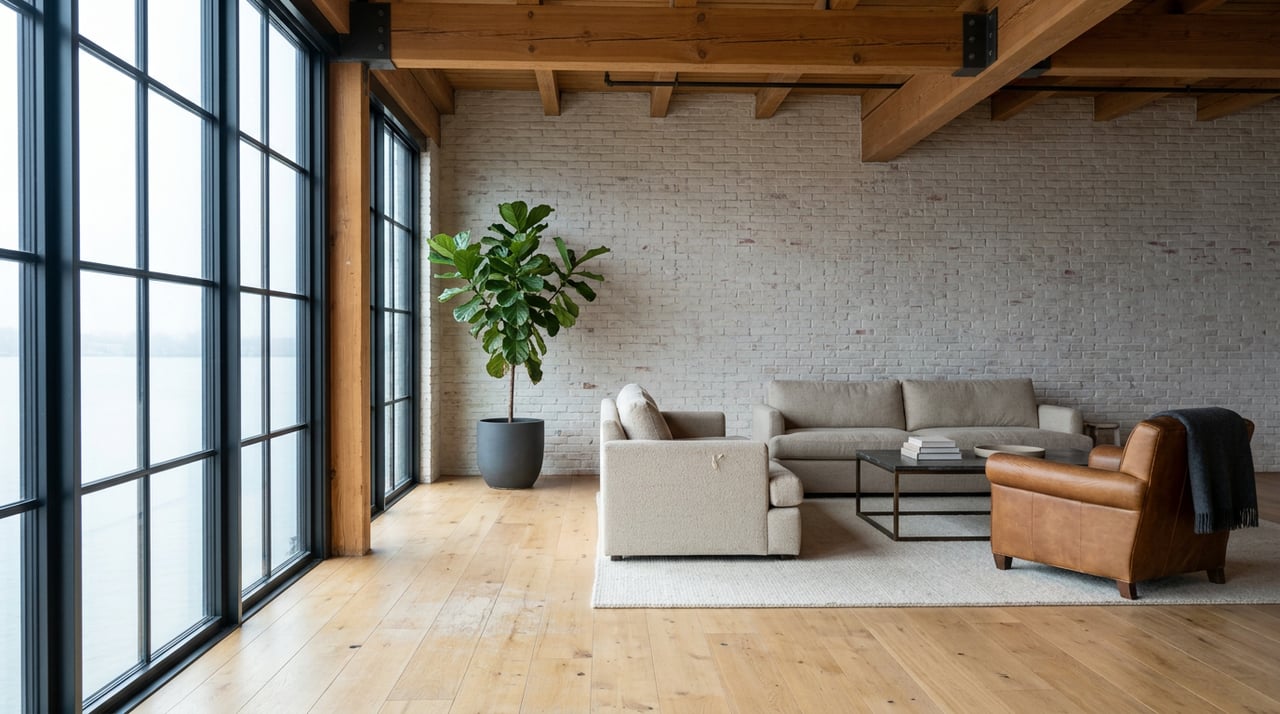
- Open kitchens and great rooms, larger primary suites, and en‑suite baths
- Walk‑in closets, dedicated mudrooms, and well‑placed home offices
- Two to three car garages and flexible first‑floor spaces
If an open plan and storage are top priorities, new builds deliver them from day one. If you enjoy defined rooms and character, a historic home may fit your lifestyle with selective updates.
Lot size, landscape, and location
Many historic homes sit on smaller, walkable lots near downtown amenities, while newer homes often occupy larger parcels on the outskirts.
Historic settings
- Proximity to shops, dining, and schools in Andover Center and nearby streets
- Mature trees and established landscaping that add appeal but may need pruning and care
New construction settings
- Larger yards and more privacy in newer subdivisions
- Modern site drainage and stormwater improvements to current standards
Your choice often comes down to location versus space. If walkability is a must, a historic neighborhood may be ideal. If you want a large yard and privacy, new construction areas can be a better match.
Architectural character and permitting
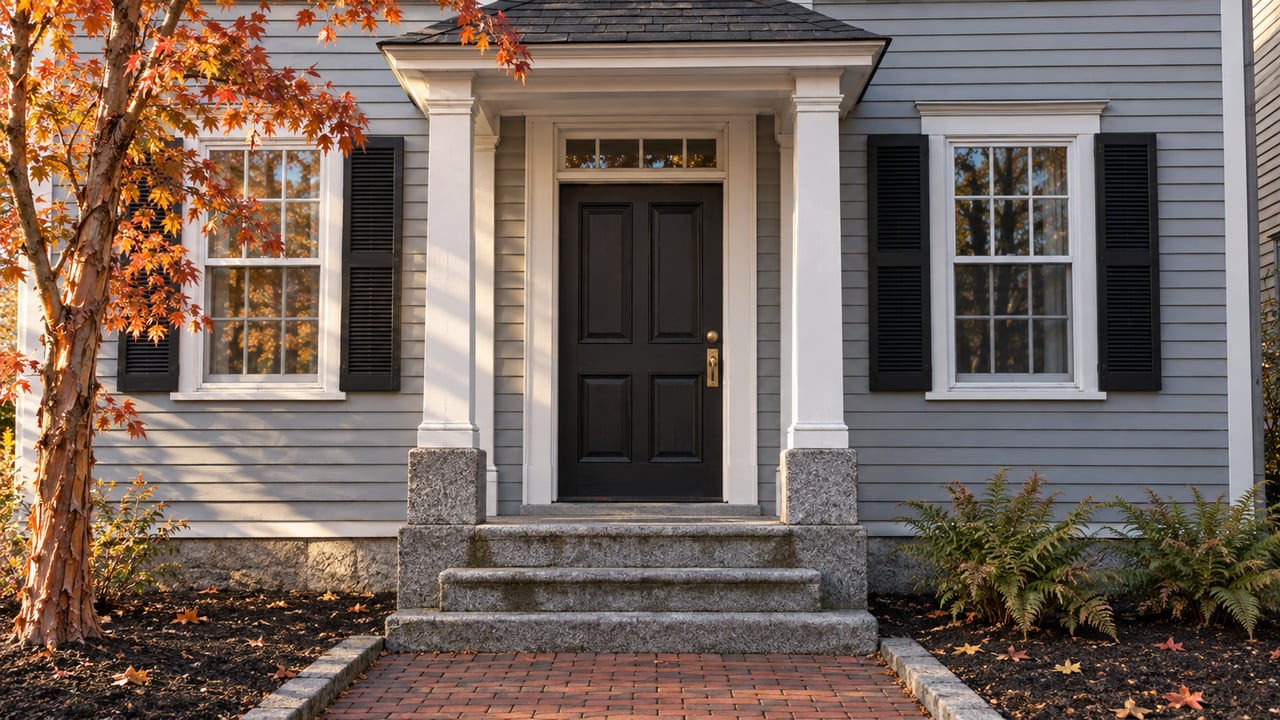
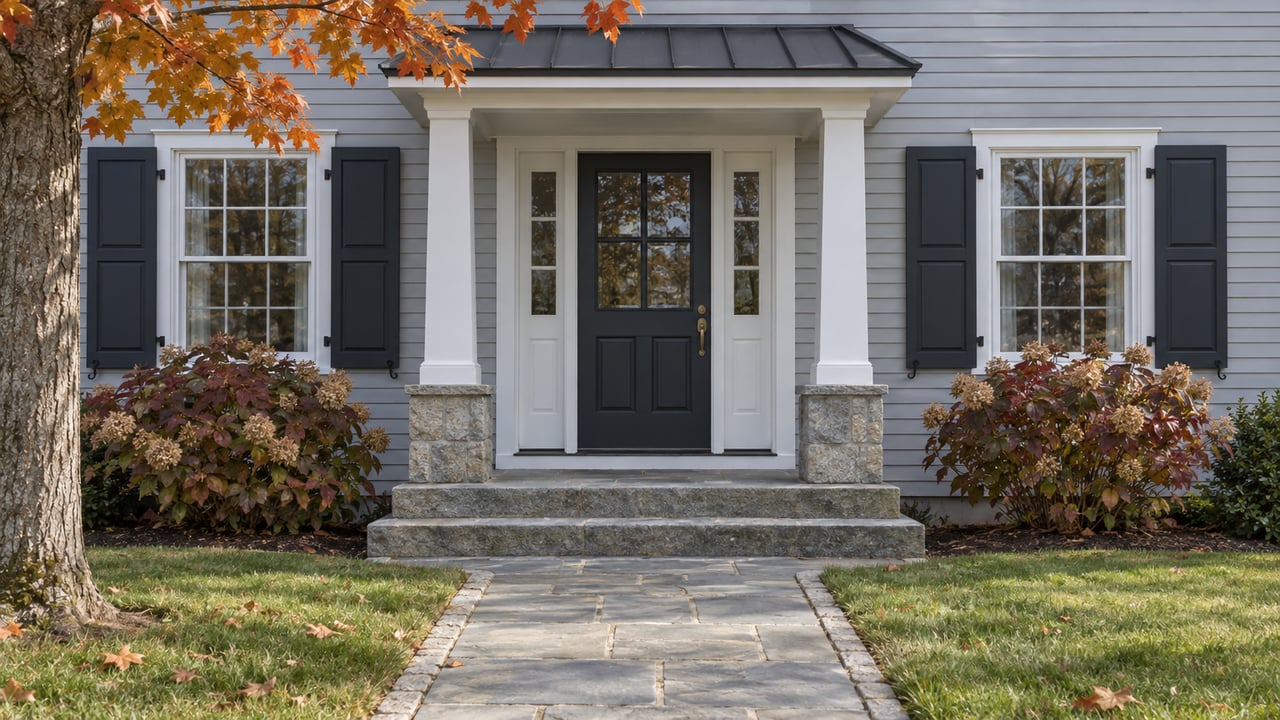
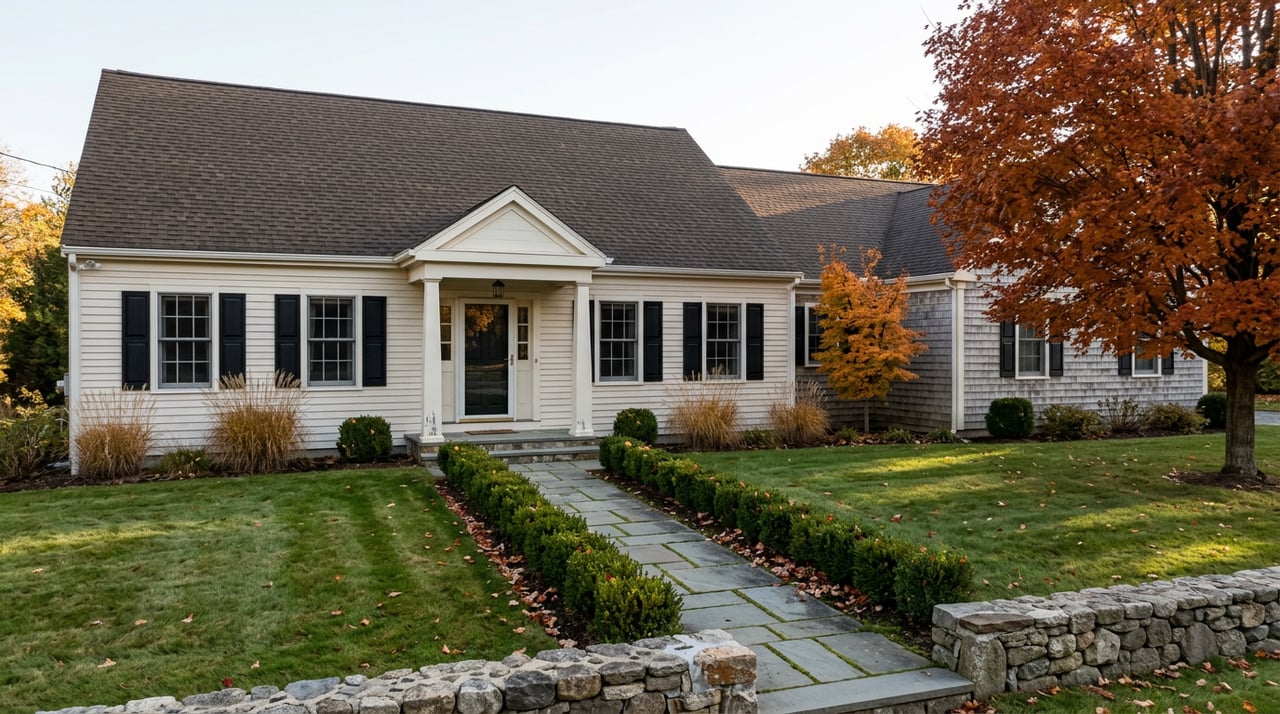
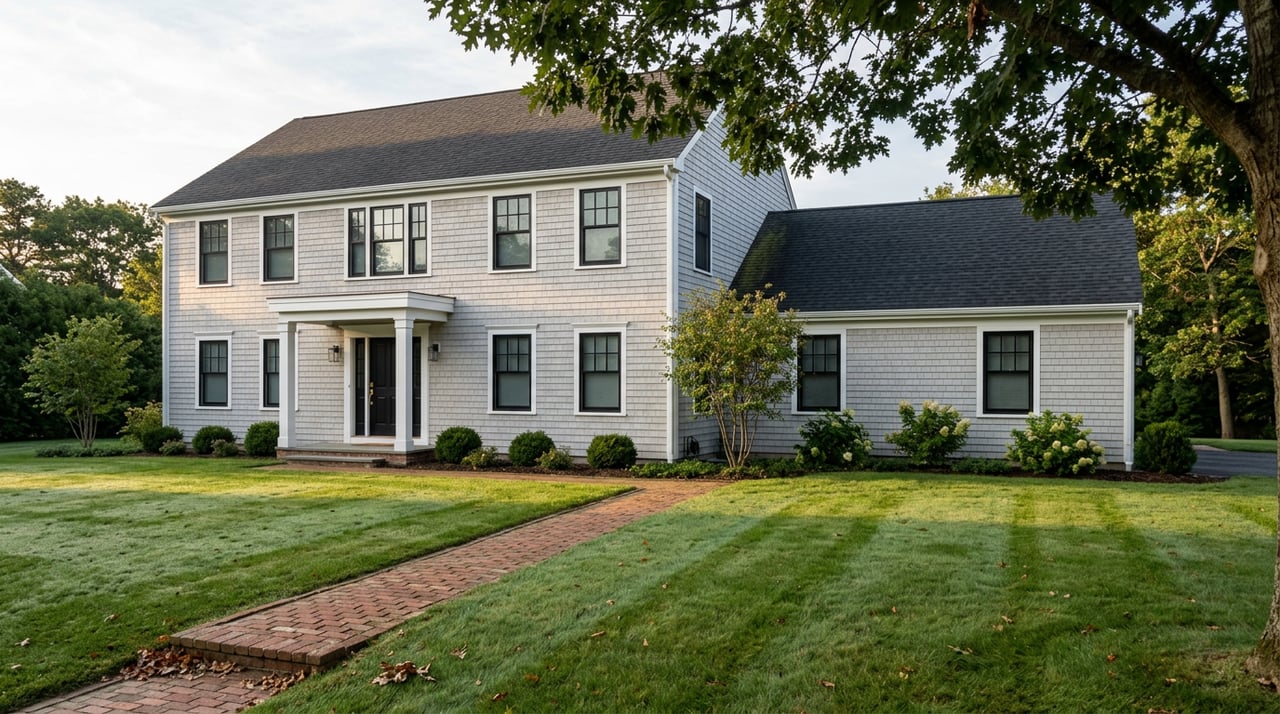
Historic Andover homes are prized for symmetry, clapboard siding, period trim, original windows and doors, and interior details like fireplaces and mouldings. New builds may echo Colonial exteriors but differ in proportions and materials to meet modern construction standards.
If a property lies in a local historic district or carries a designation, exterior changes can require review and approval. Interior work is usually handled through building permits. Always check early with the Town of Andover’s Building Department and Historic District Commission for guidance on additions, exterior alterations, and demolition. Renovations can also trigger code upgrades based on the scope of work, so align your design team and permitting plan before you buy.
Resale value, financing, and insurance
Both options can perform well in Andover when quality, condition, and location align.
Resale profile
- Well‑maintained or thoughtfully renovated historic homes in desirable areas can sell at a premium
- New construction appeals to buyers seeking turnkey living and predictable systems, often commanding higher per‑square‑foot prices in some cycles
Financing options
- Conventional loans work for both
- Renovation financing can fold upgrades into your purchase with Fannie Mae HomeStyle, FHA 203(k), or local lender programs
- Construction loans or builder financing support custom or to‑be‑built homes
Insurance considerations
- Policies for older homes can be more expensive if outdated systems remain, and some insurers require upgrades
- Appraisals on unique historic properties may be complex due to limited direct comparables
A simple decision framework
Use this quick lens when you compare specific homes:
- Maintenance
- Historic: higher short‑term and surprise risk
- New: lower short‑term with warranty support
- Energy costs
- Historic: higher unless retrofitted
- New: typically lower from day one
- Layout
- Historic: defined rooms and character
- New: open plan, larger suites, more storage
- Lot & location
- Historic: closer to town, smaller lots
- New: larger lots, typically farther from center
- Permitting
- Historic: possible exterior design review
- New: standard building and zoning permits
- Resale
- Historic: strong when upgraded and well located
- New: broad buyer appeal as turnkey
Realistic Andover scenarios
Here are common paths we see buyers choose, with tradeoffs to expect:
Andover Center Colonial, move‑in with updates
- 1920s Colonial with 3 to 4 bedrooms near downtown
- You gain location and period details, and budget for phased systems, insulation, and kitchen-bath improvements over 3 to 5 years
Big fixer Colonial, value‑add opportunity
- 18th or 19th century home needing roof, systems, and layout rework
- Lower acquisition price, but larger renovation budget and longer timeline with higher risk
Suburban new construction, turnkey move‑up
- New 4 to 5 bedroom home with open plan and 2 to 3 car garage on a larger lot
- Premium price for newness, lower initial maintenance and better energy performance
Custom new build on a larger lot
- Design to your specification with the longest timeline and highest control
- Requires coordination on site work, permits, and financing
Timelines and cost cues
- Cosmetic historic updates: about 1 to 3 months
- Major historic renovation or addition: about 6 to 18 months or more
- New production build: about 6 to 12 months from permit
- Custom new build: about 9 to 24 months including site prep and permit
Costs vary by scope and finishes. Cosmetic updates often run in the tens of thousands. Mechanical and envelope upgrades, like HVAC, insulation, or windows, can total from tens up to low hundreds of thousands. Full renovations or additions can reach the hundreds of thousands. Get three written bids, insist on a detailed scope, and keep a 10 to 20 percent contingency for renovations.
Smart next steps before you buy
- Ask the seller for permit history, plans, and contractor information
- Hire an inspector experienced with New England historic properties
- Call the Building Department early to confirm permits for structural, mechanical, and addition work
- If the property is in a local historic district, contact the Historic District Commission about exterior changes or demolition
- Schedule a MassSave energy assessment and review available rebates for insulation and heat pumps
- Speak with lenders about renovation financing or construction loans that match your plan
Choosing between a classic Andover Colonial and new construction comes down to your appetite for projects, your timeline, and the value you place on character versus convenience. If you want help weighing specific properties, layout options, and likely costs, our team can share local insights and a clear plan tailored to your goals.
Ready to compare real options and move forward with confidence? Connect with Vita Group for data‑driven guidance and white‑glove support.
FAQs
How much does it cost to renovate an Andover Colonial?
- Cosmetic updates can run in the tens of thousands, systems and envelope work often range from about $25,000 to $100,000 or more, and large renovations or additions can reach $100,000 to $500,000 plus depending on scope.
Can you make a historic Andover home energy efficient without losing character?
- Yes, prioritize air sealing and attic-basement insulation, use interior or storm window strategies, add high‑efficiency heat pumps, and work with preservation‑minded contractors to protect visible details.
Will Andover’s historic review stop my exterior renovation?
- Historic commissions regulate exterior appearance and sometimes demolition within local districts, while interior work usually proceeds by building permit, so check property status and engage the commission early.
Is new construction in Andover always a better investment than a historic home?
- Not always, since returns depend on lot, location, build quality, and demand, and well‑located historic properties that are thoughtfully upgraded can appreciate strongly.
How long does a renovation or new build take in Andover?
- Small renovations often take weeks to a few months, major historic projects can take 6 to 18 months or more, and new builds typically run 6 to 18 months depending on whether they are production or custom.