Boston Luxury Condo Buying Guide: City or Suburbs?
March 5, 2026
March 5, 2026
You are not alone if you’re torn between a Boston luxury condo and a high‑end home in the suburbs. You want convenience, privacy, and a smart investment, but the tradeoffs are not always obvious. In this guide, you’ll get a clear, side‑by‑side look at lifestyle, commute, taxes and fees, and resale so you can choose with confidence. Let’s dive in.
Greater Boston remains supply‑constrained and above the national median. The metro’s 2025 median sale price hovered around $746,000, with luxury corridors in the city trading far higher in many buildings and neighborhoods. For context, review the metro overview and price trends reported in local coverage of Boston’s 2025 market recap.
Bottom line: you’ll often pay a premium per square foot for top Boston buildings, while select suburbs offer more interior space and land for similar or slightly higher total prices.
metro overview and price trends reported in local coverage of Boston’s 2025 market recap
latest Boston condominium market report
2025 Winchester sales breakdown
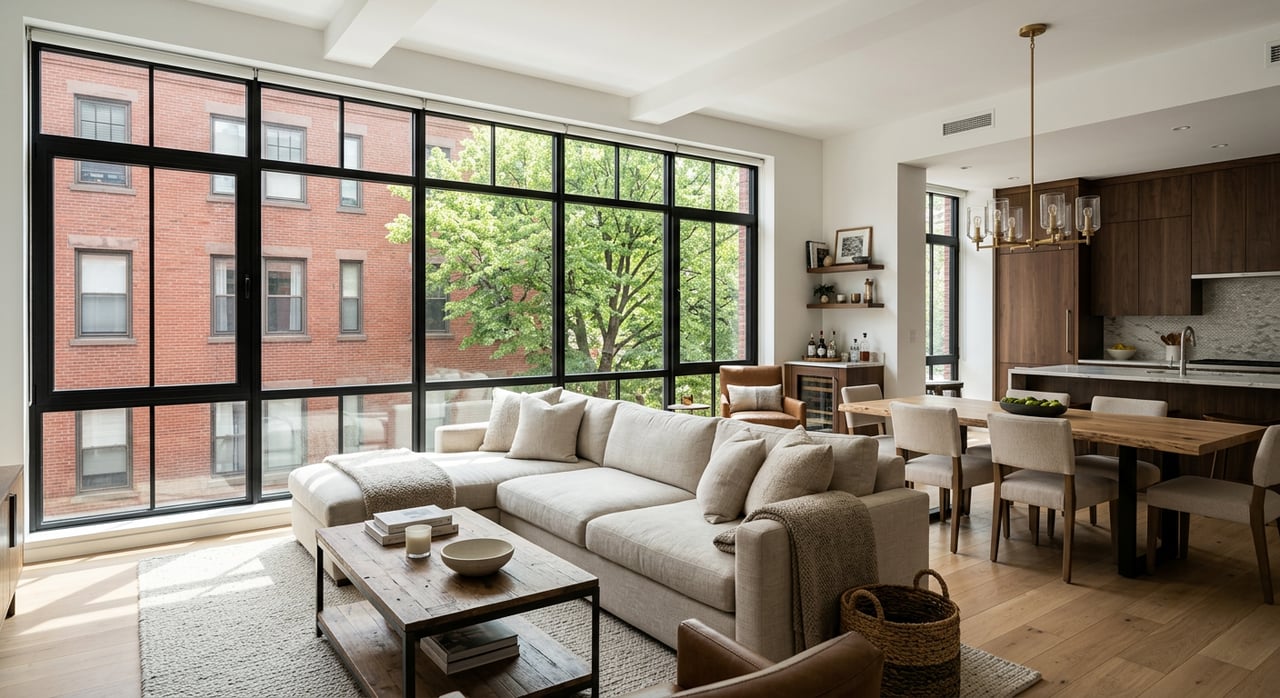
A trophy‑level Boston condo often delivers hotel‑style services and one‑elevator‑ride convenience. Common features include 24/7 concierge, valet, fitness centers and pools, resident lounges, and tight building security. You also gain walkable access to restaurants, entertainment, and major employers. These amenities command premiums both at purchase and in ongoing monthly fees.
Tradeoffs: smaller private outdoor space, dependence on HOA decisions, potential extra cost for deeded parking, and the sensory buzz that comes with vibrant urban corridors.
Learn how today’s luxury developments bundle services and amenities in Boston’s top buildings.
today’s luxury developments bundle services and amenities
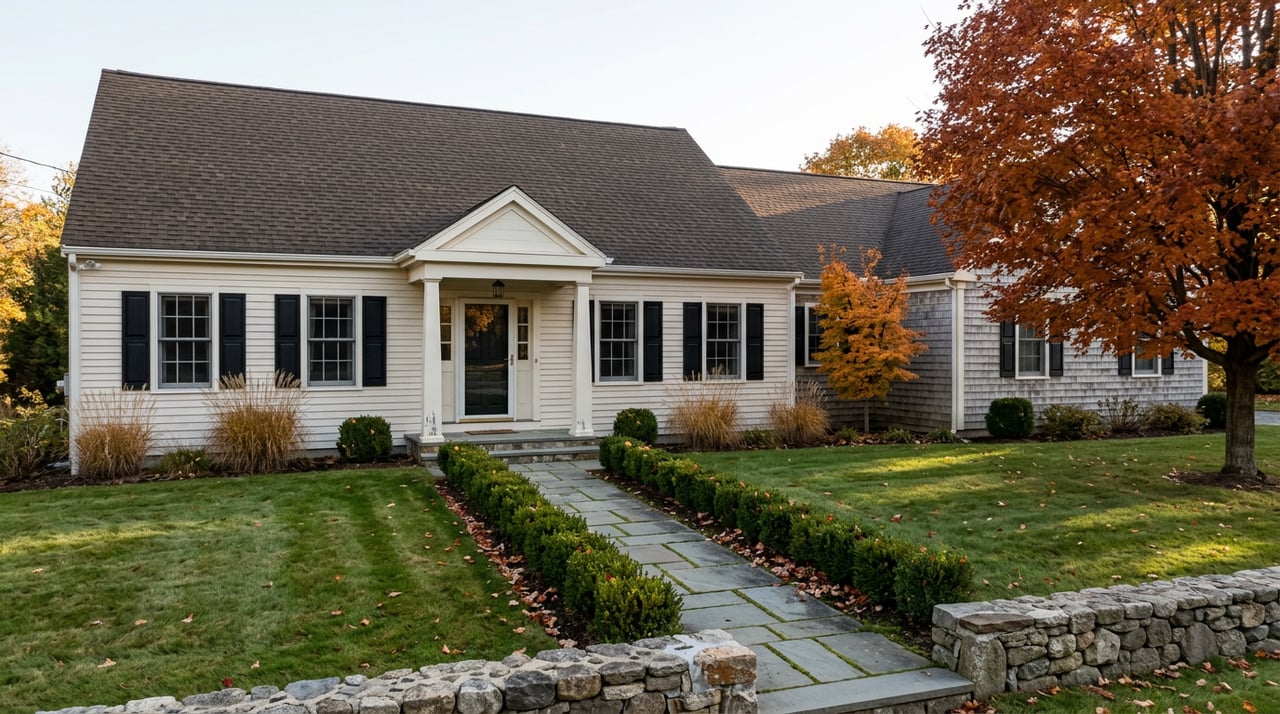
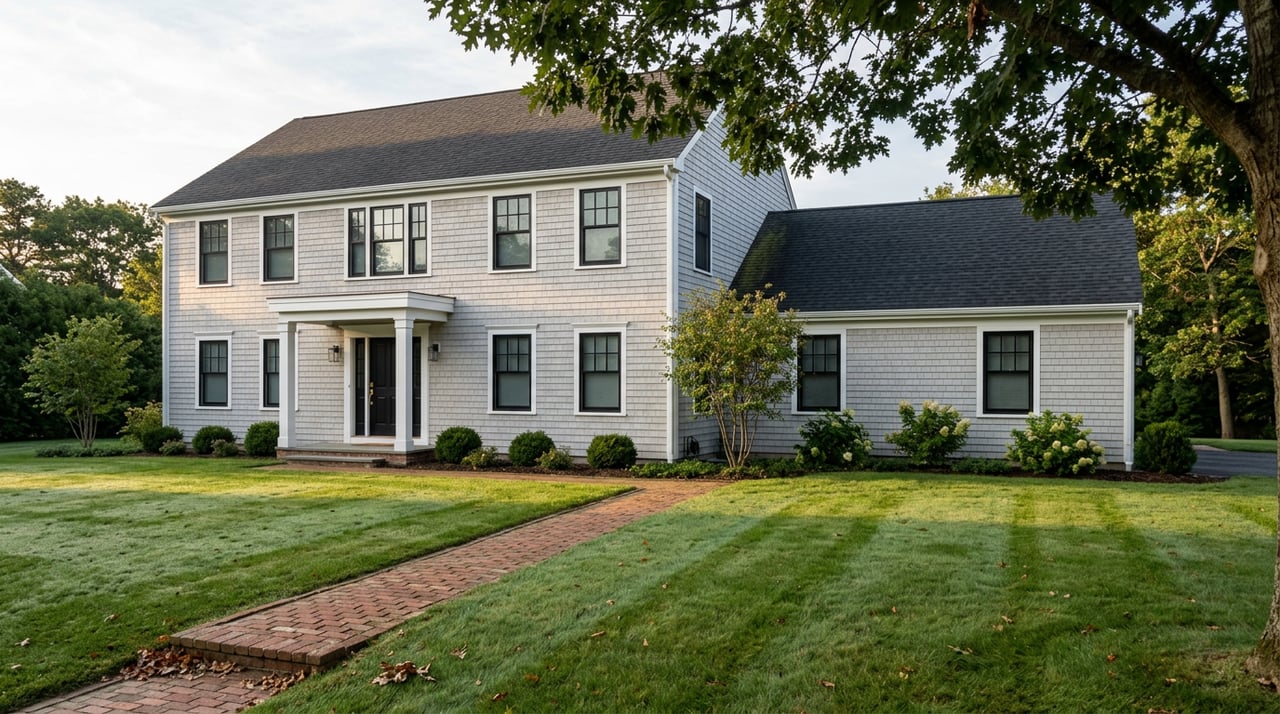
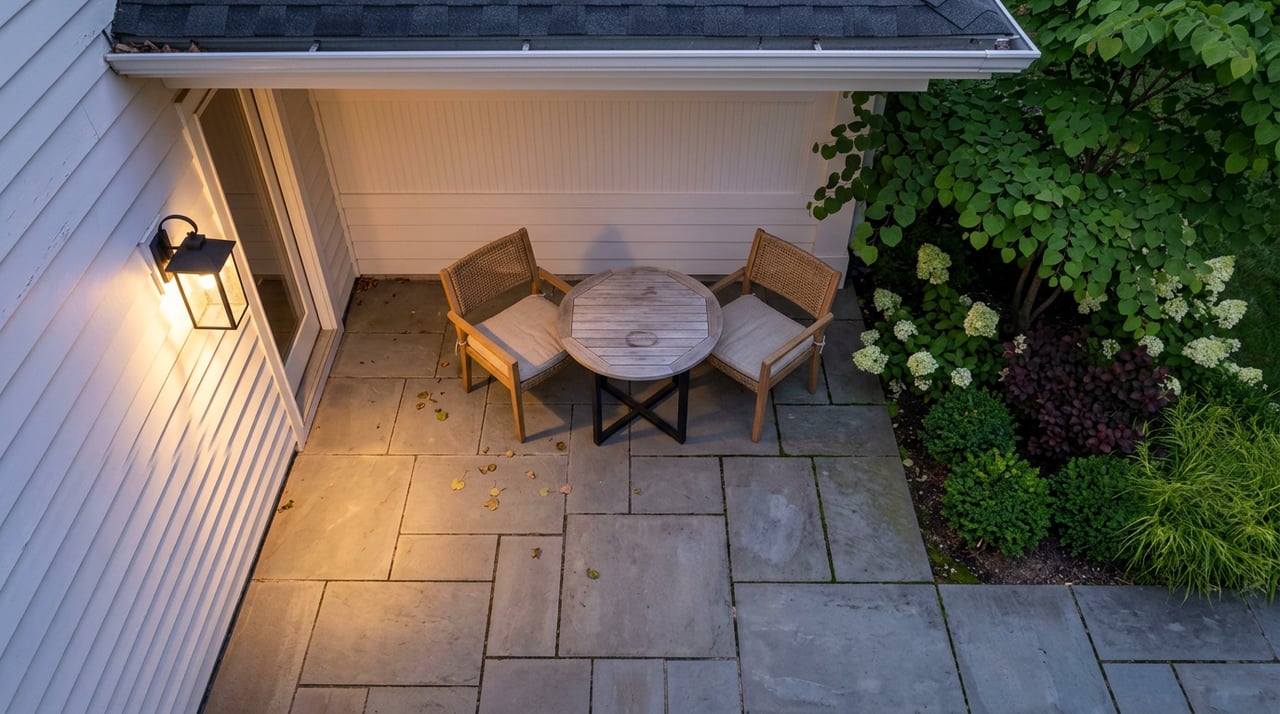
In the suburbs, you usually gain more interior square footage, a yard or patio, an attached garage, and direct control over exterior improvements. For buyers who prize privacy, flexible parking, and weekend hosting, the suburbs can deliver more space per dollar. You also reduce reliance on neighbors for maintenance decisions.
Tradeoffs: a longer door‑to‑door commute unless you live near frequent transit, fewer walk‑out dining options, and more hands‑on responsibility for upkeep.
Review a data‑driven snapshot of how space and pricing played out in Winchester’s 2025 results.
data‑driven snapshot of how space and pricing played out in Winchester’s 2025 results
Citywide in Boston, the mean commute time is about 30 minutes across all workers and modes, though your exact time depends on where you live and how you travel. If daily, predictable sub‑30‑minute commutes are essential, an in‑city address or a close‑in suburb on frequent transit is more likely to meet that need.
Check Boston’s average commute context and see how the GLX expanded options north of the city.
Boston’s average commute context
how the GLX expanded options north of the city
High‑end Boston condos often carry monthly common charges in the low‑thousands. For example, recent Millennium Tower listings show fees in a range that illustrates the scale for full‑service buildings. Your exact dues depend on unit size, included services, and whether parking is deeded or leased. Always verify fee amounts and inclusions in the current MLS disclosures and the condo’s budget.
recent Millennium Tower listings show fees in a range
Property‑tax rates vary by town and change each fiscal year. Boston’s nominal residential rate was about $11.58 per $1,000 in FY25, and local reporting notes adjustments as assessments and levies evolve. Model both the rate and assessed value for each property you consider, and ask your CPA about current exemptions and planning.
local reporting notes adjustments
In Massachusetts, condo associations must fund replacement reserves, and buildings that underfund can levy special assessments. As a buyer, review the association’s budget, reserve studies, dues delinquency, insurance, litigation disclosures, and any planned capital projects. Also confirm how lenders treat the building. Some projects can be non‑warrantable, which may push you to a jumbo or portfolio loan.
Learn the basics of reserves and special‑assessment risk, and see how lenders review condo projects for conventional financing.
basics of reserves and special‑assessment risk
how lenders review condo projects
Resale demand looks different by property type. Well‑located luxury condos in top buildings attract a broad buyer pool, including international interest, but can compete with new construction and may move slower at the very top of the market. Premium single‑family homes in established suburbs often draw deep local repeat‑buyer interest that values land, layout, and neighborhood amenities.
For a condo, resale drivers include building reputation, line and views, parking, HOA health, and competition from new towers. For suburban homes, key factors include lot orientation, finished square footage, bedroom count, quality of updates, and access to commuter options. Ask yourself who will care most about your property in 3 to 7 years and buy for that future buyer.
Use this checklist with your agent and lender:
If you thrive on walk‑out access to dining, entertainment, and a guaranteed commute, a luxury condo in Back Bay, the Seaport, or the South End may be a great fit. If you want more space, privacy, and direct control over your property, Winchester and nearby north‑of‑Boston suburbs offer compelling choices. Either way, a data‑driven plan that models fees, taxes, commute, and resale will pay off.
Ready to compare specific buildings or towns side by side and run the numbers? Connect with Vita Group for a private, no‑pressure consult tailored to your timeline and goals.



Real estate is more than a transaction, it's a life moment. The Vita Group delivers expert guidance, tailored strategy, and real results, making your move seamless, strategic, and truly personalized. Let’s start your next chapter together.