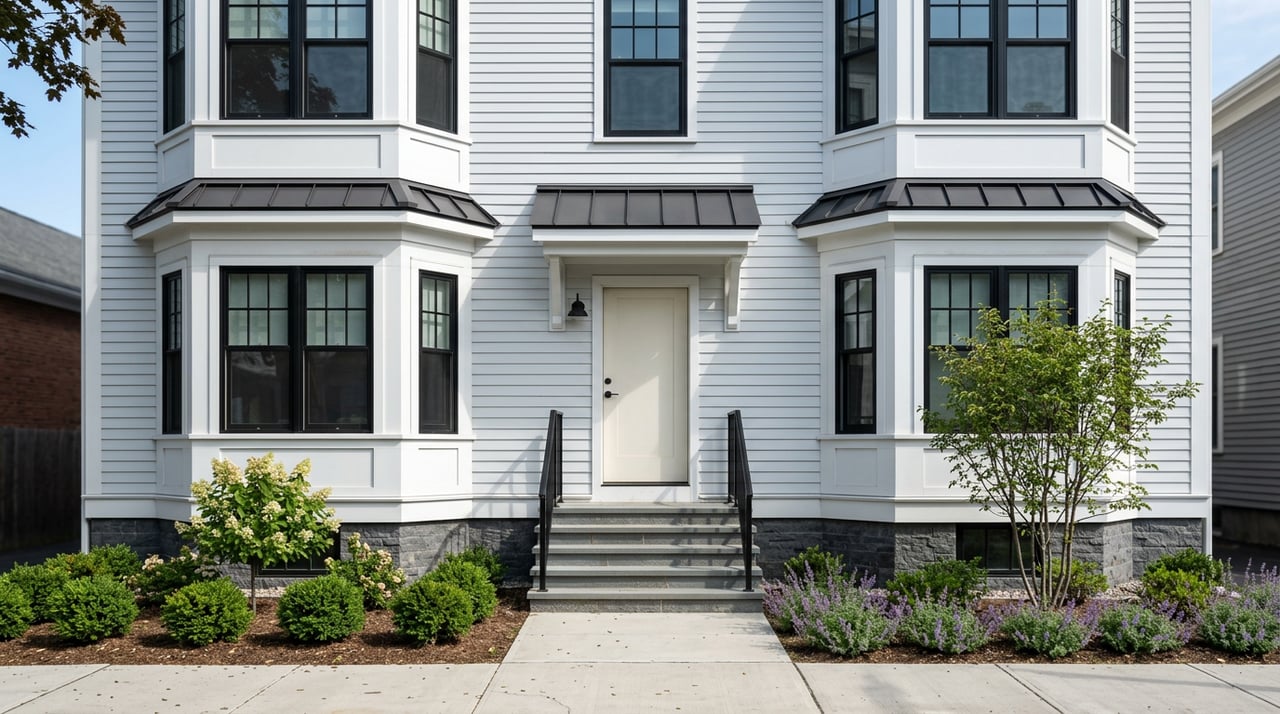
Somerville Condo New vs Resale: How to Choose
March 24, 2026
March 24, 2026
Staring at glossy renderings and charming triple-deckers and wondering which path fits you better in Somerville? You are not alone. Choosing between a new-build condo and a resale affects everything from monthly costs and warranties to commute and timing. In this guide, you will compare the key tradeoffs, see where premiums show up, and get a practical checklist to move forward with confidence. Let’s dive in.
Somerville is a higher-cost, transit-oriented market with pricing that shifts by neighborhood and building type. Citywide medians have hovered in the high $800s in late 2025 per Zillow, while various trackers reported condo medians roughly in the mid $700s to low $900s across Q3 to Q4 of 2024 and 2025. Always ground your decision in current MLS comps for your target block and building.
Proximity to the Green Line Extension is a repeat premium factor. The Union Square branch opened in March 2022, with the Medford branch later in 2022, and redevelopment around Union Square and Assembly Row continues to draw demand near stations. You will often pay more per square foot near GLX stops because convenience is scarce. Learn more about the Green Line Extension on the City’s project page for context on stations and timing at the Green Line Extension overview.
For FY2026, Somerville’s residential property tax rate is $10.98 per $1,000 of assessed value, and owner-occupants may qualify for a 35 percent residential exemption. Rates update annually, so verify the current year before you budget. You can review the City’s FY2026 update in the Somerville Property Tax Update.
New-build condos in Somerville usually mean modern floor plans, big windows, in-unit laundry, central heating and cooling, and higher-efficiency features. Some projects are all-electric with heat pumps, ERV ventilation, and even triple-pane windows. A standout local example is Loën in Union Square, a Passive House targeted building that showcases high performance systems and contemporary finishes. Explore the concept and features highlighted for Loën at this project overview.
Amenities vary by building. Boutique projects may offer bike storage, roof decks, and elevators. Full-amenity buildings around Assembly Row can include concierge services and fitness facilities. Expect a premium per square foot for newer product, and know that parking is often deeded and sold separately.
Builders typically offer tiered warranties that are commonly described as “1 year on workmanship, 2 years on systems, and 10 years on certain structural items,” often delivered via insured programs. Always confirm exactly what is covered. For background, see the industry summary from 2-10 Home Buyers Warranty. Even with new construction, schedule independent inspections, including a pre-drywall review if possible and an 11-month warranty check so you can request repairs before coverage expires.
Closing dates for new buildings can move because construction, inspections, and Certificates of Occupancy drive timing. Builders may deliver units in phases. If you plan to finance, give your lender a realistic schedule and build in flexibility for appraisal and final walkthroughs.
Somerville’s resale inventory spans converted two- and three-family homes, older mid-rises, and smaller modern renovations. You may find period millwork, taller ceilings, or unique layouts, but systems can vary widely. Some conversions keep monthly condo fees low because there are fewer shared amenities and services, while larger buildings often carry higher fees to cover elevators, common utilities, and reserves.
As a rough guide, small conversions sometimes show fees in the tens to a few hundred dollars per month, many boutique or mid-sized buildings run a few hundred dollars, and full-amenity towers can reach the upper hundreds or more. Fees depend on the specific services and reserves your HOA maintains, so always compare line items and coverage, not just the headline number.
Unlike new-builds, resales do not come with a builder warranty unless the seller has a transferable plan. Protect yourself with a thorough home inspection and a deep dive into association records. In Massachusetts, condominium governance is defined by M.G.L. Chapter 183A, and associations must keep financial and governance records available to owners and mortgagees. Pay special attention to the budget, reserves, insurance declarations, and meeting minutes.
Under Chapter 183A Section 10, the association’s financial records and reserve practices are key signals of future assessments and stability. You can review the statute’s record-keeping requirements here: M.G.L. c.183A, Section 10.
Condo financing depends not just on you, but also on the project. Fannie Mae and Freddie Mac have project-level standards. If a building does not meet those rules, conventional options may be limited or require larger down payments. Ask your lender early to confirm project eligibility and the type of review needed. For reference, see Fannie Mae’s project standards and Freddie Mac’s project review overview.
Appraisers look closely at similar, nearby sales. In Somerville, premiums near GLX stops, building age, amenities, and parking can swing value. If you are stretching on a price for a new-build unit, make sure there are enough comparable sales in the development or next-door buildings to support the number. Your lender will care about this even if your offer is strong.
Union Square has seen a wave of modern projects since the GLX opened, and many of them price in the convenience and new finishes buyers want. Loën on Bow Street is a good example of how high-efficiency systems and modern design can add both comfort and value in day-to-day living. Expect amenity-light boutique buildings here to carry moderate fees compared to full-service towers, with per square foot pricing influenced by immediate access to the square and transit.
Alloy and neighboring Canal Street residences sit within a full-amenity, mixed-use district. The convenience is real, and so is the fee structure that pays for on-site services and facilities. If you are comparing a 1 or 2 bedroom here to a boutique elevator building closer to Inman or Winter Hill, weigh the lifestyle tradeoff and the monthly HOA difference, since fees can diverge meaningfully.
Converted two- and three-family buildings are common across these neighborhoods. You may find lower fees due to fewer services, along with classic layouts that vary by conversion. Systems in older structures can be at different points in their life cycles, so your inspection and HOA reserve review carry extra weight.
Somerville’s Condominium and Cooperative Conversion Ordinance strengthens tenant protections and sets clear procedures and timelines for conversions. This affects the pipeline of small converted condos coming to market. If you are eyeing converted triple-deckers, knowing how the ordinance works can help you understand supply dynamics and timing. You can read the ordinance in full at the City’s site: Somerville Condominium Conversion Ordinance.
Somerville’s Inclusionary Housing Program periodically resells deed-restricted ownership units at controlled prices to eligible first-time buyers. If you meet income and household criteria, this can be a path to ownership below market pricing. Explore eligibility and the application process on the City’s Inclusionary Housing Program page.
Use this list to keep your due diligence on track before you write an offer.
Pick the path that matches how you live and how much risk you want to manage.
In both cases, your best leverage comes from clean financing, strong comps, and careful HOA diligence. A local advisor can help you compare apples to apples across buildings near Union Square, Assembly Row, Davis Square, and beyond.
Ready to make a confident move in Somerville? Let’s map your options by building, budget, and timeline, then execute a data-driven plan to win the right condo. Connect with the Vita Group to get started.


Real estate is more than a transaction, it's a life moment. The Vita Group delivers expert guidance, tailored strategy, and real results, making your move seamless, strategic, and truly personalized. Let’s start your next chapter together.