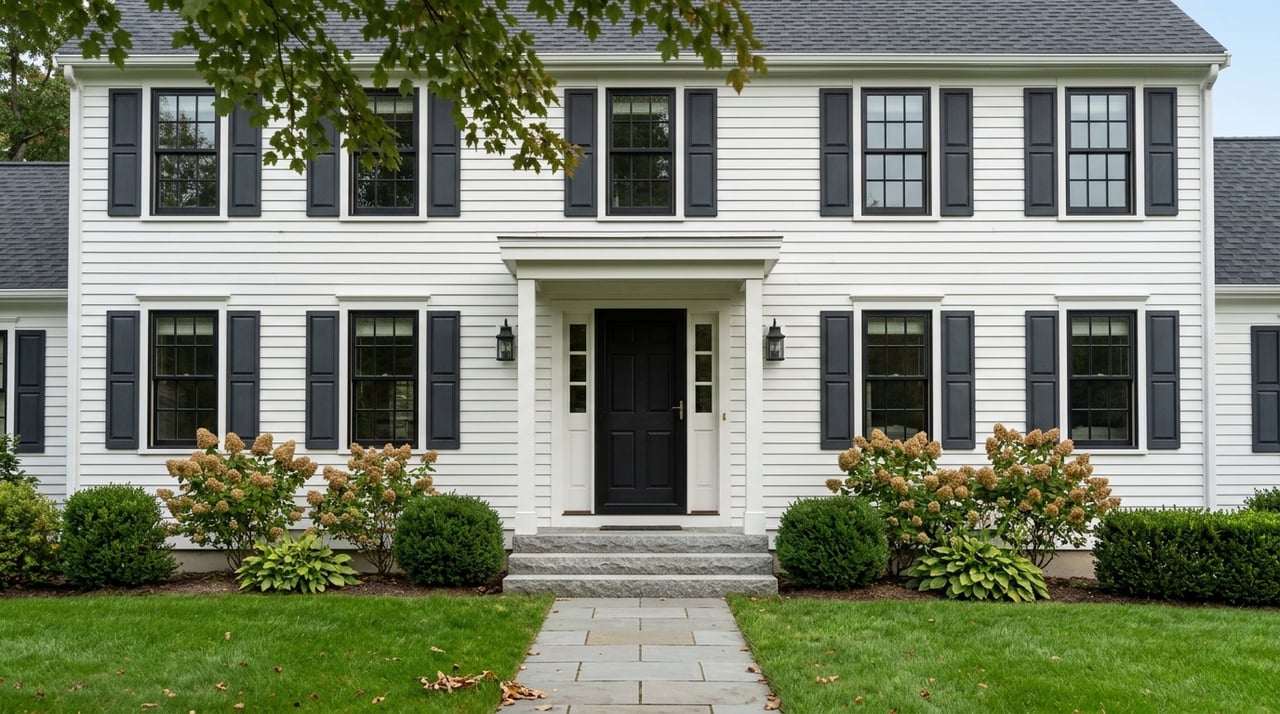
Buying A Single-Family Home In Melrose: What To Expect
April 2, 2026
April 2, 2026
If you are hoping to buy a single-family home in Melrose, you are not stepping into a market defined by endless new construction and easy choices. You are entering a city where detached homes are common, character runs deep, and available inventory can be very limited. That can feel exciting and a little daunting at the same time. In this guide, you will get a clear picture of what to expect, from home styles and condition issues to pricing, competition, and long-term considerations. Let’s dive in.
If your goal is a detached home, Melrose gives you more of that housing type than many nearby communities. According to the city’s Housing Production Plan, detached single-family homes make up 55% of the housing stock, and single-family parcels appear in virtually all parts of the city.
That matters because your search is not limited to one small pocket of town. At the same time, the same city report shows that older, more mixed-density areas are concentrated near Downtown and the rail corridor, while eastern neighborhoods tend to be newer and lower-density. In practical terms, you can expect a broader mix of housing near the core and more traditionally suburban patterns farther east.
Melrose also has a strong ownership base. The U.S. Census reports a 67.2% owner-occupied housing rate and a median owner-occupied value of $822,900, which is higher than both Middlesex County and Massachusetts overall. That helps explain why detached homes here often hold strong appeal for buyers looking for stability and long-term value.
One of the biggest themes in Melrose is age and architectural variety. The city notes that about 40% of homes were built before 1900 and highlights its well-maintained Victorian architecture in its Historic Preservation materials.
You are likely to see a wide range of home styles, especially in the more historic sections of the city. The Massachusetts Historical Commission survey cited by Melrose includes styles such as Queen Anne, Shingle Style, Colonial Revival, Craftsman, Dutch Colonial, Cape cottages, Greek Revival cottages, and some Italianate and Second Empire examples.
That variety can be a big part of the appeal. Instead of rows of similar houses, you may find homes with original trim, distinctive facades, older floor plans, and features that reflect different building eras. For many buyers, that charm is exactly why Melrose stands out.
Where you focus your search can influence what kind of single-family home you find. The city’s planning documents describe neighborhoods near Downtown and the rail corridor as older and more historic, while eastern areas contain more of the postwar suburban housing stock, much of it built between 1946 and 1980.
For you, that means home style and age may vary a lot by area. Near the center of the city, you may see more ornate prewar architecture and older layouts. In eastern sections, you may find more conventional postwar homes with a different balance of lot size, layout, and maintenance needs.
This is useful to know early because many buyers start with a price range and commute in mind, then realize they also need to decide how much old-house character they want. In Melrose, that tradeoff is often part of the process.
A big part of buying a single-family home in Melrose is adjusting to limited supply. The city’s housing plan notes that over half of Melrose housing was built before World War II, another quarter was built between 1940 and 1969, and only a small share is recent construction. It also reports that from 2013 through the second quarter of 2019, about 97% of net new housing units were in large multifamily buildings, while only about 2% were detached or attached single-family homes.
That helps explain why single-family inventory can feel constrained. There simply has not been much new detached-home production. If you are waiting for a steady stream of new listings, you may find that the pipeline is thinner than expected.
The numbers at the start of 2026 reinforce that point. The Massachusetts Association of Realtors January 2026 single-family report for Melrose showed 15 homes for sale, 13 new listings, and just 0.9 months of supply. While the report notes that one month of data can look extreme because the sample size is small, it still points to a very tight market.
In a market with low supply, buyers should be prepared for competition, especially on homes that are updated and priced well. The same MAR report showed a median single-family sale price of $853,000, 21 cumulative days on market, and 104.0% of original list price received.
Additional February 2026 Melrose market data from Redfin describes the city as highly competitive, with homes receiving an average of 8 offers and selling in about 32 days. It also notes that many homes receive multiple offers, often with waived contingencies, and that hot homes can go pending in about 12 days.
The takeaway is simple. If you find a move-in-ready single-family home that checks your boxes, you may not have much time to decide. Being financially prepared and clear about your priorities can make a real difference.
Older housing stock often comes with a different set of expectations than newer construction. Melrose’s housing plan notes that older homes can be expensive to maintain and retrofit for accessibility, and it also reminds buyers that homes built before 1978 may contain lead-based paint.
That does not mean older homes are a bad choice. It means you should expect tradeoffs. A beautiful older property may offer charm, craftsmanship, and location, but it may also come with aging systems, deferred maintenance, or projects you will want to tackle over time.
When you tour homes, look beyond surface finishes. Updated kitchens and baths are great, but buyers should also pay attention to windows, insulation, heating and cooling systems, roof condition, and the general upkeep of the property. In Melrose, those basics often matter as much as cosmetic updates.
If you buy an older home in Melrose, energy efficiency may become part of your plan. The city promotes Mass Save energy programs, including no-cost home energy assessments, support for insulation and air sealing, and discounts on high-efficiency heating, cooling, and heat pump systems.
That can be especially relevant in a market with so many older homes. At the same time, the city notes that heat pump installation can be more complicated in the older housing stock common in Melrose. So while upgrades may be available, the path is not always simple.
For buyers, this means it is smart to think beyond the purchase price. You may also want to budget for efficiency work that improves comfort and operating costs after closing.
If you are thinking about exterior changes, location within the city can matter in another way. Melrose states that if a property is in the Downtown Historic District, exterior alterations visible from a public way require Historic District Commission approval before permits are issued.
That is not relevant to every home, but it is important if you are buying with renovation plans in mind. A house that seems perfect for immediate exterior updates may come with added review requirements if it falls within that district.
This is one more reason to match your purchase strategy to the property. If you want a home you can personalize quickly, confirm what approvals may be needed before you commit.
Some buyers are not just thinking about today. They are also thinking about how a property might support changing needs later on. Under Massachusetts’ 2024 Affordable Homes Act ADU rules, accessory dwelling units under 900 square feet are now allowed by right in single-family zoning districts.
That could make a single-family purchase more flexible over the long term. Depending on the property and your goals, an ADU may support multigenerational living, guest space, or future rental use. It is not a reason to stretch beyond your budget, but it is worth understanding as part of your decision-making.
In Melrose, preparation matters because good homes may move quickly. Before you start seriously touring, it helps to have a few things in place:
This kind of clarity can keep you from overreacting in a competitive moment. It can also help you move with confidence when a strong opportunity appears.
Buying in a low-inventory market can be frustrating, even when you are well prepared. You may find yourself comparing very different homes, weighing charm against convenience, or deciding whether a house needs too much work.
That is normal in Melrose. This is a market where limited detached-home supply, older housing stock, and strong buyer demand often collide. The goal is not to find a perfect house with no compromises. The goal is to find the right fit for your budget, timeline, and comfort level.
If you are planning a move in or around Melrose, working with a team that understands North-of-Boston housing patterns can help you evaluate tradeoffs clearly and act decisively when needed. If you want expert guidance on your next purchase or sale, connect with Vita Group for a personalized conversation.
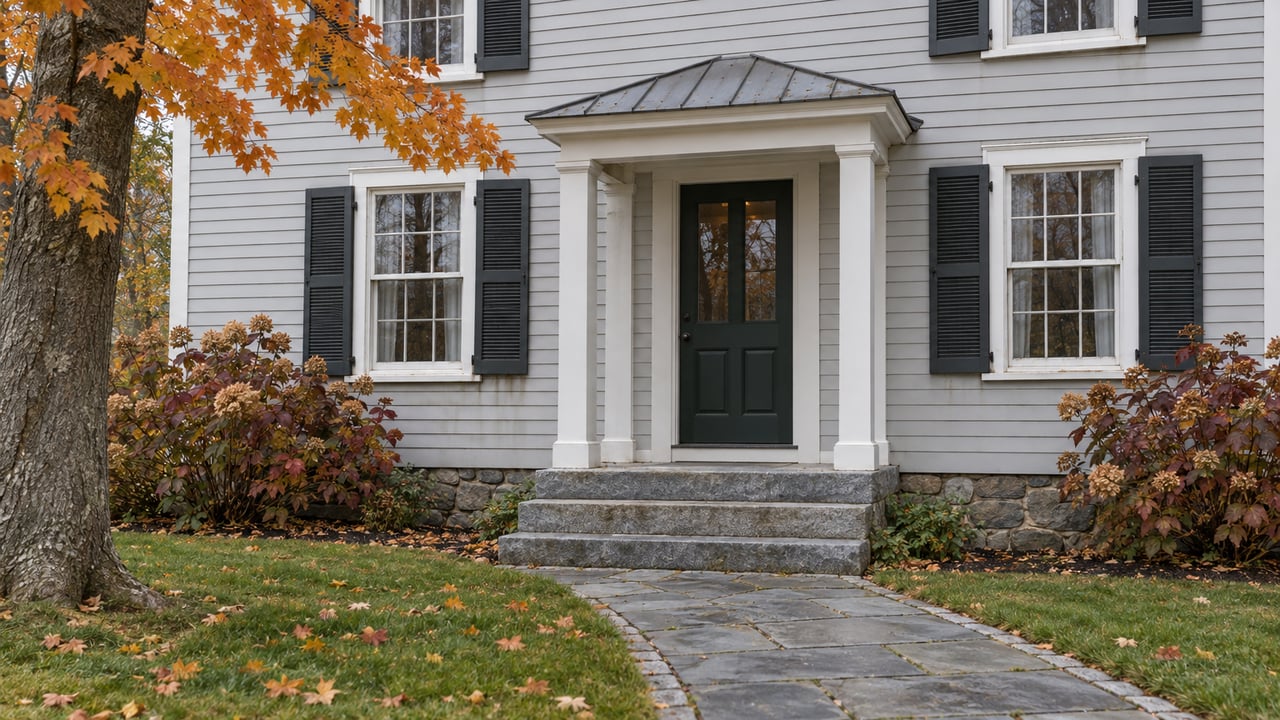
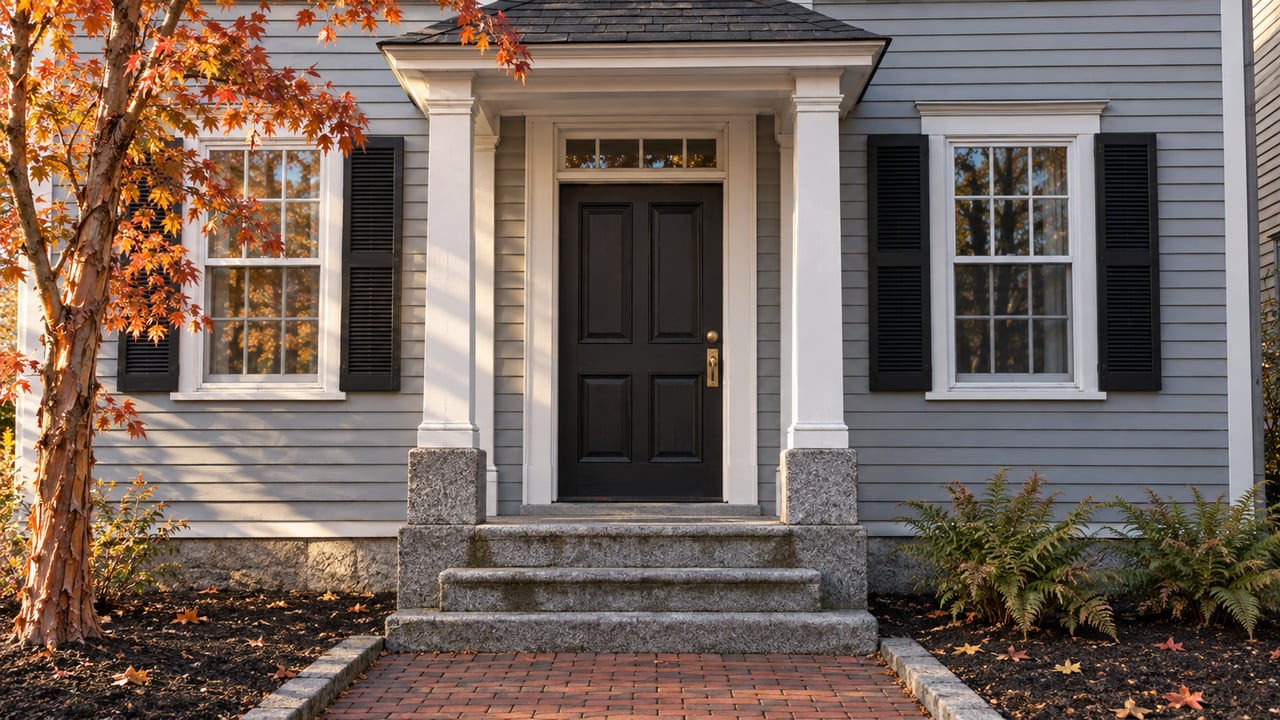
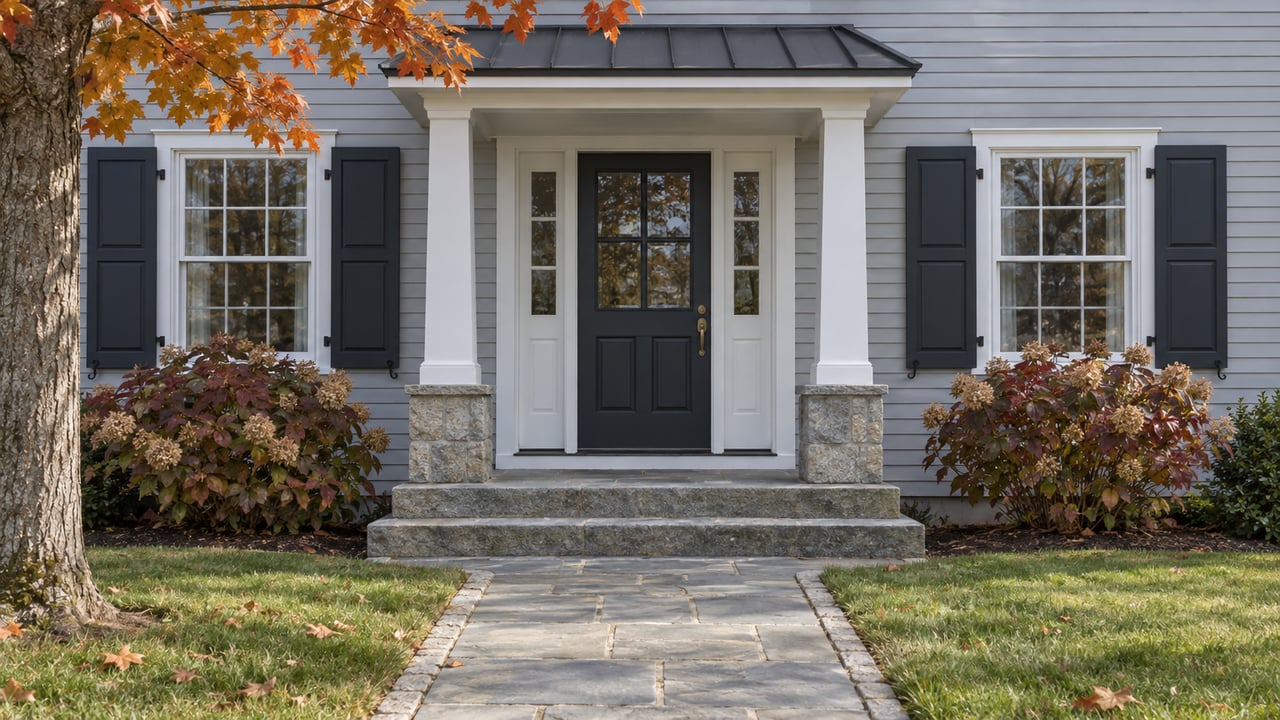


Real estate is more than a transaction, it's a life moment. The Vita Group delivers expert guidance, tailored strategy, and real results, making your move seamless, strategic, and truly personalized. Let’s start your next chapter together.