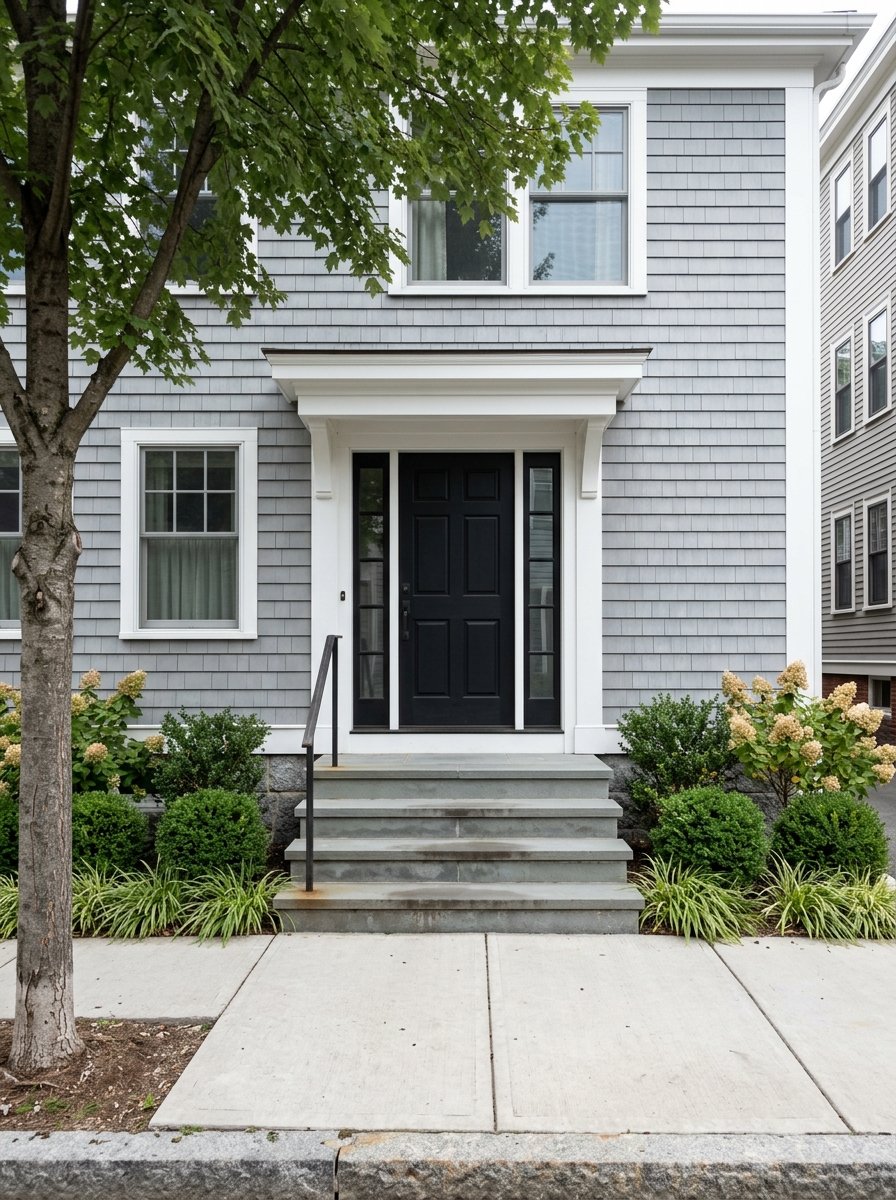
Buying Near Transit In Medford: Condos, Single-Families, And Tradeoffs
April 16, 2026
April 16, 2026
If you want a shorter commute without giving up the space and lifestyle you need, Medford deserves a close look. This is one of the few inner-ring communities with multiple rail options, but buying near transit here is not a one-size-fits-all decision. Depending on where you focus, you may find condos, two-family properties, or detached homes, each with a different mix of convenience, parking, and long-term value. Let’s break down what matters most before you buy.
Medford offers several distinct transit choices, which is part of what makes the city appealing to buyers with different commuting patterns. According to the City of Medford moving guide, the city includes the Green Line stops at Medford/Tufts and Ball Square, the Orange Line at Wellington, and Lowell Line commuter rail service at West Medford. The city also notes multiple bus routes and Bluebike docking at Wellington, Tufts Square, Main Street at Brooks Park, and Medford Square.
That matters because each transit area supports a different daily routine. Wellington is the clearest rapid-transit hub, Medford/Tufts and Ball Square offer access through the newer Green Line Extension, and West Medford serves buyers who want commuter rail service to North Station. In other words, buying near transit in Medford means choosing the commute style that fits you best.
If your top priority is easy station access, you are generally more likely to come across condo-style or multifamily housing in Medford’s more transit-oriented areas. The city’s residential zoning proposal explains that density decisions are partly shaped by proximity to moderate- and high-frequency transit. It also notes that some areas near newer transit hubs may be better suited for greater density over time.
Wellington stands out most clearly. The city says the Wellington Station Multi-Family Overlay District was approved in late 2023 and later found fully compliant with the state’s MBTA Communities requirements in 2024. For buyers, that makes Wellington the strongest example of an area positioned for multifamily growth and more condo- or apartment-style inventory over time.
Medford Square is another area worth watching. The city’s zoning information shows a mix of commercial, apartment, general residential, and single-family districts there, and a redevelopment plan calls for 283 apartment units along with retail, community space, and parking. That does not automatically mean future condo ownership opportunities, but it does point to a more multifamily-oriented pipeline than you may find in detached-home areas.
If you want more private outdoor space, a garage, or a more traditional detached-home setup, North Medford and West Medford tend to align better with that goal. The city’s zoning proposal says broad swathes of North and West Medford are zoned for single-family only, with additional pockets in Glenwood, Hillside, and Wellington also designated that way. That zoning pattern helps explain why these areas often appeal to buyers who place space and separation ahead of immediate station access.
The same city document also notes that two-family dwellings are common in Haines Square, Glenwood, Hillside, South Medford, and some parts of West Medford. So while the detached-home pattern is stronger farther north and west, there is still variety depending on the block and zoning context. For many buyers, that creates a useful middle ground between a condo near a station and a fully detached home farther from rail.
The biggest tradeoff is usually space versus convenience. Transit-oriented housing often supports a more walkable, mixed-use lifestyle, and the EPA’s overview of transit-oriented development notes that these areas can improve transportation choice and reduce transportation costs. But in practice, that often means less yard space, less privacy, and more shared-building or parking considerations.
By contrast, older detached-home areas in Medford often offer more lot size, garage space, and physical separation from busy corridors. The tradeoff is that your trip to rail may be longer and your day-to-day routine may depend more on driving, biking, or buses to bridge that gap. Medford’s expanding Bluebike network strengthens the case for car-light living in some areas, especially near Wellington, Tufts Square, and Medford Square.
Parking deserves extra attention if you are shopping near the Green Line Extension. The city’s Green Line Zone parking page explains that there is a district-wide residential permit parking area within roughly a quarter-mile of three GLX stops, while other parts of Medford continue to use street-by-street resident permit parking. That means parking rules can vary significantly based on address.
Before you make an offer, it is smart to confirm:
For some buyers, one deeded space can make a condo near transit far more practical. For others, limited parking may be a reason to focus on a different part of Medford.
Transit access is often part of the value story in a higher-cost market like Medford. The latest U.S. Census QuickFacts for Medford report a median owner-occupied home value of $755,500, median gross rent of $2,509, median household income of $129,540, and a mean commute time of 30.2 minutes. That combination points to a market where convenience and commuting efficiency can carry real weight.
Regional research supports the idea that rail access can influence housing demand. A 2023 study on expanded Boston rail stations found that rents near expanded stations grew faster than in comparison areas across Boston. While that study is not specific to Medford sales prices, it does suggest that homes near transit can benefit from sustained regional demand.
At the same time, the closest property to a station is not always the best fit. A transit impact research report notes that station proximity can also bring traffic, noise, and other perceived neighborhood effects. For resale and long-term satisfaction, the better question is whether the home balances commute savings with the level of density, activity, and parking complexity you are comfortable with.
If you are deciding where to start your search, this framework can help:
Wellington may be the best match if your top priority is Orange Line access and a more transit-oriented housing mix. It is also the area most clearly aligned with Medford’s multifamily growth plans.
North and West Medford may be a stronger fit if you want a detached-home setting, larger lots, or more separation from busier transit corridors. These areas are generally more single-family oriented based on the city’s zoning proposal.
Medford/Tufts and Ball Square can appeal if you want access to the Green Line Extension while staying connected to a neighborhood setting. These locations may offer a middle ground between commute convenience and a more residential feel.
Medford Square is worth following if you like a mixed-use setting and want to see how redevelopment shapes housing options over time. The area’s zoning mix and planned apartment development suggest an evolving housing landscape.
When you tour homes near transit in Medford, it helps to rank your priorities before you compare listings. A property may look perfect online, but the right choice usually comes down to how you weigh commute time against space, parking, and daily noise levels.
Start with these questions:
The best Medford purchase is rarely the one closest to a station. It is the one that fits your lifestyle now and still makes sense when your needs change.
If you are weighing Medford neighborhoods and want a clear, data-informed strategy, Vita Group can help you compare transit access, housing types, and resale considerations with a local perspective.

Real estate is more than a transaction, it's a life moment. The Vita Group delivers expert guidance, tailored strategy, and real results, making your move seamless, strategic, and truly personalized. Let’s start your next chapter together.