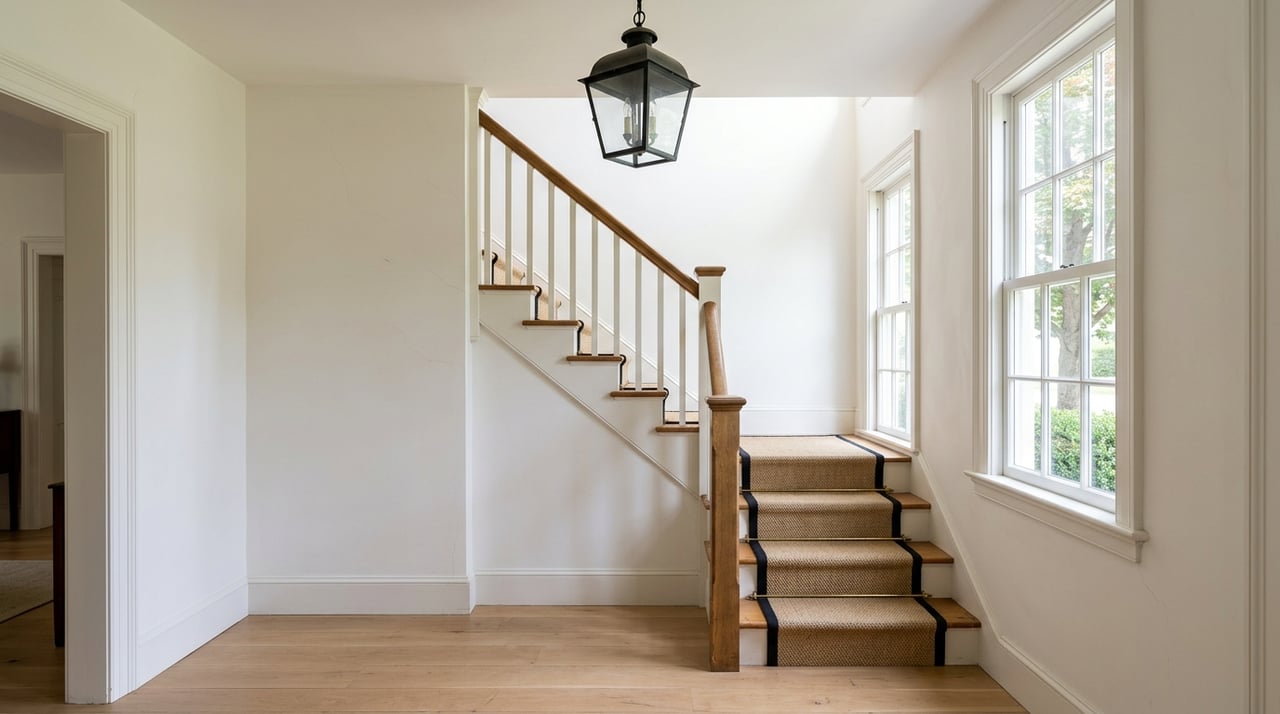
Your Guide to Buying Lexington MA Historic Homes
May 7, 2026
May 7, 2026
Thinking about buying a historic home in Lexington? It can be one of the most rewarding moves you make, but it also comes with more questions than a typical home search. You want the charm, craftsmanship, and story of an older property without stepping into costly surprises or renovation plans that hit a wall. This guide will help you understand what to look for, what local rules matter, and how to update a historic home while respecting its character. Let’s dive in.
Lexington has a wide-ranging historic housing stock, not just a handful of landmark properties. According to the town’s Historical Commission, Lexington has more than 1,400 historic resources and roughly 2,000 properties protected by local historic districts.
That range matters when you start your search. In Lexington, you may find everything from 18th-century homes to late-19th-century and early-20th-century houses, along with mid-century modern properties. Two homes may both feel “historic,” but they can differ greatly in condition, systems, and how easily they can be updated.
A home does not need to be extremely old to raise preservation questions. Lexington’s historic context includes homes from several architectural periods, and local oversight may apply based on district location or survey status, not just age alone.
Lexington’s current local historic districts include Battle Green, East Village, Hancock-Clarke, and Munroe Tavern. If a home is in one of these districts, certain exterior changes may need review before work begins.
One of the first things you should confirm is whether the property sits in a local historic district. In Lexington’s districts, the Historic Districts Commission reviews construction, demolition, exterior renovations, color changes, and signs.
The town’s rules also say that if any portion of a building is within a district, the entire structure is treated as being within that district. The review applies only to changes visible from a public way, and ordinary maintenance or replacement in kind may be exempt.
This can shape your renovation plans in a big way. If you are thinking about an addition, new exterior materials, replacing windows, or changing visible details, you will want clarity on the approval path as early as possible.
Even if a property is not in a local historic district, you are not necessarily in the clear for major changes. Lexington’s Historical Commission also handles demolition-delay hearings for properties on the Cultural Resources Survey.
If a building is found to be preferably preserved, demolition can be delayed until certain conditions are met or 12 months have passed. For buyers considering a teardown or a major reconfiguration, district status is only part of the due diligence. Survey status matters too.
Historic homes can be beautifully built, but they often need closer inspection. Your goal is to understand what is original, what has been updated, and what may need attention soon.
Here are some of the most common issues to evaluate:
Age alone does not tell you everything. Some 1700s homes have been carefully upgraded over time, while some newer historic homes may still need major system work.
Lead is one of the biggest practical concerns in an older home purchase. Before signing for most pre-1978 homes, buyers have the right to know whether lead-based paint hazards are present, and Massachusetts requires a property-transfer lead paint notification package for homes built before 1978.
Lead is not just a concern for walls and trim. Older homes may also have lead in plumbing components, and renovation work that disturbs painted surfaces can create hazardous lead dust.
If you plan to renovate, this affects who should do the work. EPA guidance recommends using lead-safe certified contractors and certified renovators when painted surfaces in pre-1978 homes will be disturbed.
If the home is in a local historic district, exterior updates need extra planning. Lexington’s guidelines emphasize preserving the features that give a home its historic identity.
The town identifies roof shapes, trim, and window and door configurations as character-defining elements. The guidelines also encourage repair of original windows where feasible, rather than automatic replacement.
For additions, the goal is compatibility. New work should fit the existing building’s rhythm, pattern, scale, and materials, while still reading as new rather than pretending to be original.
A successful historic renovation usually balances preservation with comfort. In many cases, the smartest strategy is to protect the visible exterior character while focusing your budget on systems, livability, and layout improvements that do not erase what makes the home special.
That may include:
Lexington’s guidelines note that HVAC equipment, accessibility changes, and other exterior attachments can trigger review if they affect prominent historic features. Early planning can save time, money, and redesign later.
Historic review is only one layer of approval. Lexington’s zoning bylaw also governs land use, structure size and location, parking, signs, and certain residential development rules.
For additions, the town’s residential building permit checklist calls for plans, a plot plan, and a permit calculation worksheet. In other words, even a well-designed historic renovation still needs to align with broader local rules.
This is why buyers should think beyond style and aesthetics. A renovation idea that sounds simple at first may involve historic review, zoning compliance, and building permit requirements all at once.
If you are serious about buying and updating a historic home in Lexington, a clear process can help you avoid preventable mistakes. The strongest buyers usually do their homework before finalizing renovation plans.
A practical sequence looks like this:
This early screening can help you decide whether a property fits your budget, timeline, and goals before you get too attached to a specific vision.
Some buyers ask whether historic renovations come with tax benefits. In Massachusetts, possible incentives do exist, but they are project-specific.
The state historic rehabilitation tax credit is aimed at certified rehabilitation projects on income-producing property. The federal rehabilitation credit applies to certified historic structures that meet substantial rehabilitation requirements and are placed in service.
For most owner-occupied renovation projects, you should not assume these programs will apply. If tax incentives are part of your decision-making, it is worth getting project-specific tax advice before relying on them.
Historic homes often ask more of you up front, but they can also offer something hard to recreate: original character, lasting materials, and architectural identity. The key is buying with open eyes and updating with a plan.
When you understand district rules, evaluate condition carefully, and respect the home’s defining features, you put yourself in a much stronger position. That approach can help you preserve both the experience of living in the home and the long-term value of your investment.
If you are exploring older homes in Lexington or comparing renovation potential across nearby towns, working with a team that understands how to spot both value and risk can make the process far more manageable. For tailored guidance on buying, evaluating, and positioning homes in Greater Boston’s competitive suburbs, connect with Vita Group.



Real estate is more than a transaction, it's a life moment. The Vita Group delivers expert guidance, tailored strategy, and real results, making your move seamless, strategic, and truly personalized. Let’s start your next chapter together.